
Few dungeons in World of Warcraft look as haunted as Shadowmoon Burial Grounds. Deep colors, moving fog and carefully placed props combine into a place that feels unsettling before anything attacks you. This guide examines the visual elements that define the dungeon, how the design team built its atmosphere, which effects contribute most, what advanced techniques support the storytelling and which best practices other designers can learn from it.
Which visual elements define the dungeon?
A dark color palette, ornate architecture and atmospheric effects that create foreboding.
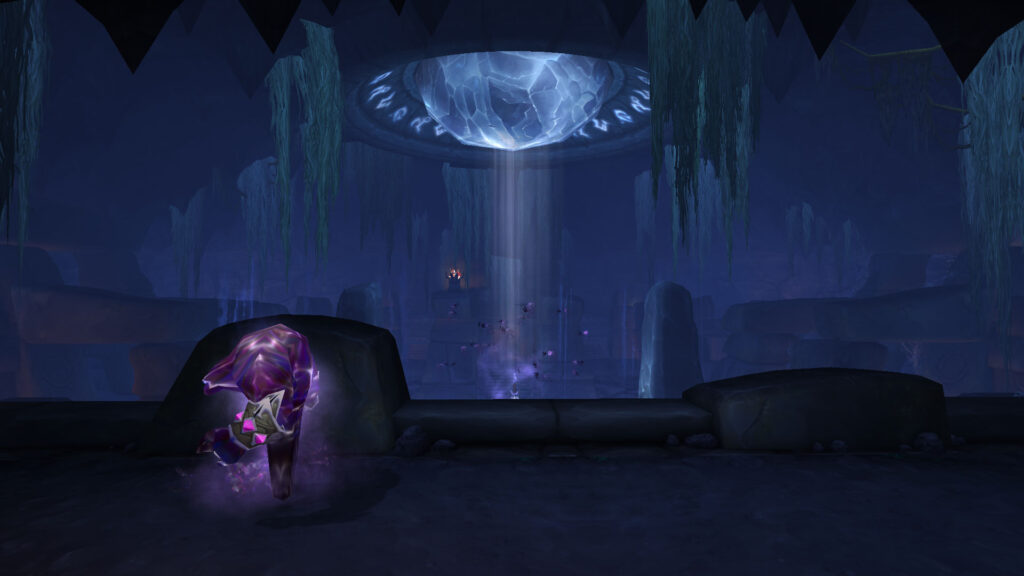
The dungeon is dominated by deep blues, blacks and purples. These colors are doing more than decorating: they communicate dread and mystery, matching the history of the place. The architecture shows cultural influence, with elaborate structures that are beautiful and disquieting at the same time. Lighting is used with care, leaving dim areas contrasted with glowing elements that attract your eye to important locations.
The setting also tells a story without words. Scattered bones and the remains of old battles suggest what happened here. Fog and shadowy textures add depth, while ambient animations such as flickering lights and ghostly shapes keep the environment feeling alive. Together they leave a lingering sense of unease, which is exactly the point.
How did designers create the haunting mood?
With color theory, lighting techniques and environmental storytelling.
Cool tones are linked with sadness and despair, so the palette was chosen to set the emotional tone from the first step. Lighting techniques such as ambient occlusion and dynamic shadows add depth and realism, highlighting some areas and leaving others in darkness to increase uncertainty and danger.
- Cool colors evoke feelings of dread.
- Dynamic lighting creates depth.
- Ambient sound adds another layer.
- Props such as bones and remains tell a story.
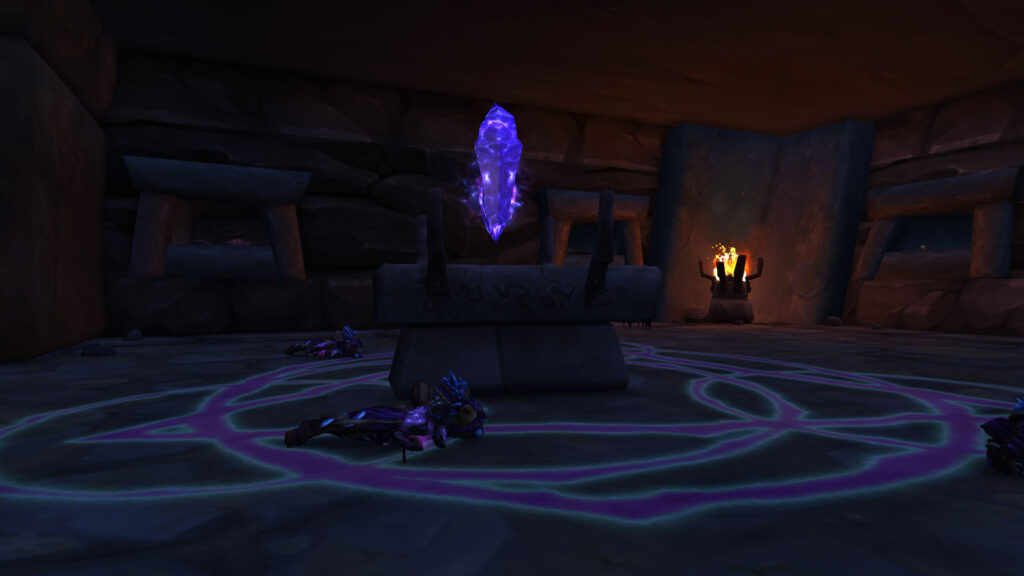
Sound and music complement all of this. Eerie soundscapes immerse you further, and the combination of image and audio produces a multi-sensory experience. Placing altars, tombstones and remnants of past battles lets players piece together the history of the burial grounds, and attention to this kind of detail reinforces the dark themes.
Which effects add to the darkness?
Fog, particle systems and dynamic shadows.
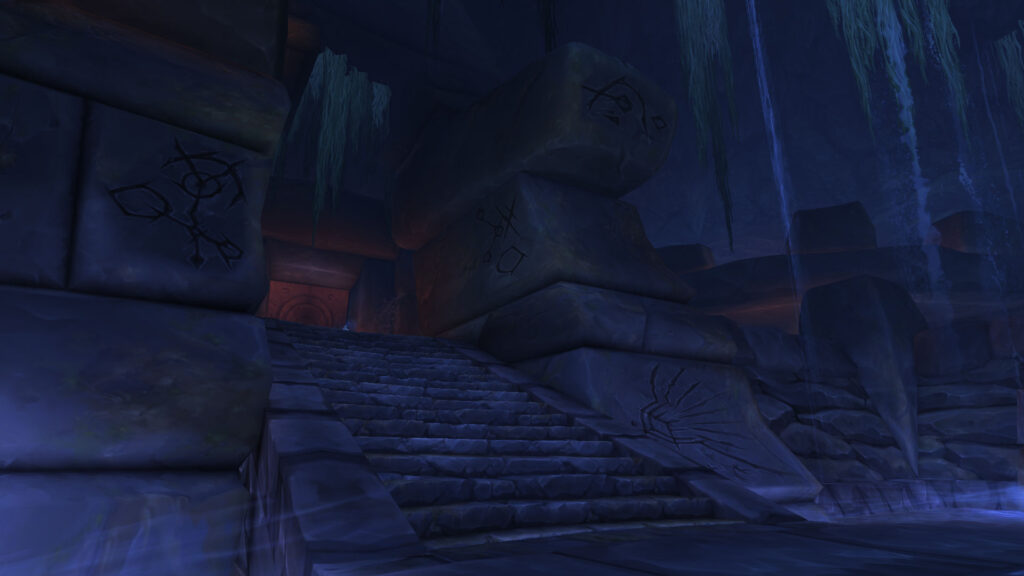
Fog hides what lies ahead and makes you feel vulnerable. Particle systems that simulate dust and debris add realism, and dynamic shadows from the architecture deepen immersion. Together they create a haunting and engaging atmosphere that pulls you further into the dungeon.
| Effect | Description | Effect on mood | In play |
|---|---|---|---|
| Fog | Obscures vision and creates mystery | Feelings of vulnerability | Players move carefully |
| Particles | Dust and debris in the air | Realism and depth | A gritty feel in battle |
| Dynamic shadows | Shadows that react to light sources | Lifelike light and dark | More tension in encounters |
These effects are tied to gameplay as well. Fog can hide enemies, particles can make fights feel chaotic and shadows reward awareness of your surroundings.
Which advanced techniques support the storytelling?
Layered textures, environmental animation and interactive elements.
Layered textures give surfaces complexity and depth, and environmental animations such as moving shadows or flickering light make the scene dynamic. Interactive elements, like destructible objects or hazards, allow players to engage with the environment in meaningful ways. The placement of altars and gravestones adds a narrative about the people who once lived here, so players learn the history simply by looking around.
What best practices can designers take from it?
Use color theory, effective lighting and storytelling in the environment.
Choose palettes that match the emotions you want, use lighting to build depth and think about how props can tell a story. Add sound that complements the visuals, and consider interaction so players feel connected to the world. When these elements work together, dark visuals become more than style; they become part of the experience.
Frequently Asked Questions
What inspired the look?
The culture and tragic history of the place, expressed through color and architecture.
How do visuals affect play?
Fog, lighting and storytelling create tension and immersion and make encounters more challenging.
Can other games use these techniques?
Yes, layered textures, good lighting and environmental storytelling are useful in many genres.