Dungeon design has increasingly emphasized visual clarity to support faster reactions and better survival. Clear telegraphs, readable enemy abilities, and distinct environmental cues allow players to process danger instantly rather than deciphering chaos.
This focus on clarity transforms difficulty from confusion-based failure into execution-based challenge.
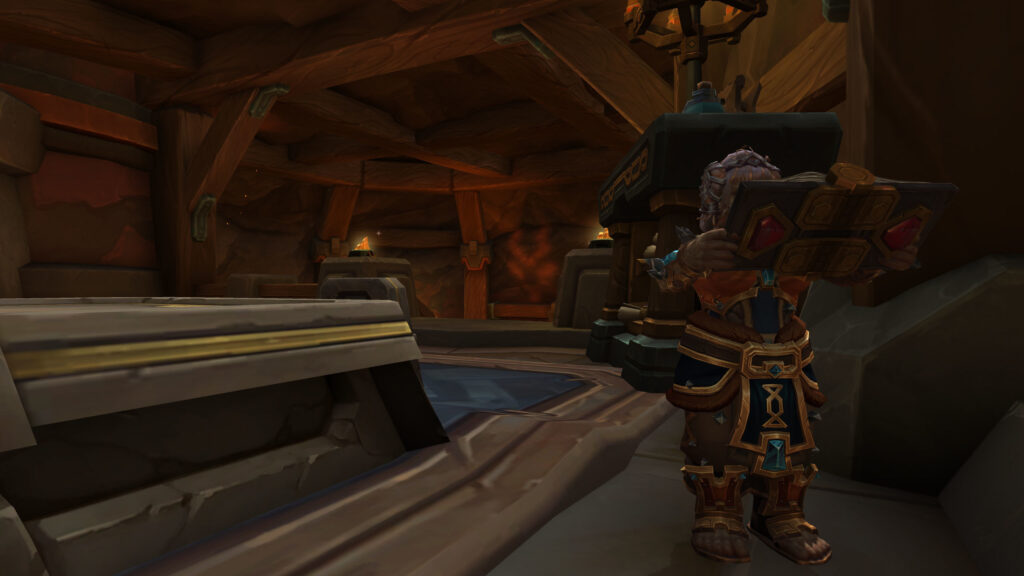
The Cost of Visual Noise in High-Pressure Content
Visual clutter once turned dungeons into information overload. Overlapping effects obscured threats, making deaths feel unavoidable rather than instructive.
Reducing noise restores player agency and trust in encounter design.
Clarity as a Reaction Multiplier
Clear visuals shorten reaction time. When threats are immediately recognizable, players respond instinctively rather than hesitating.
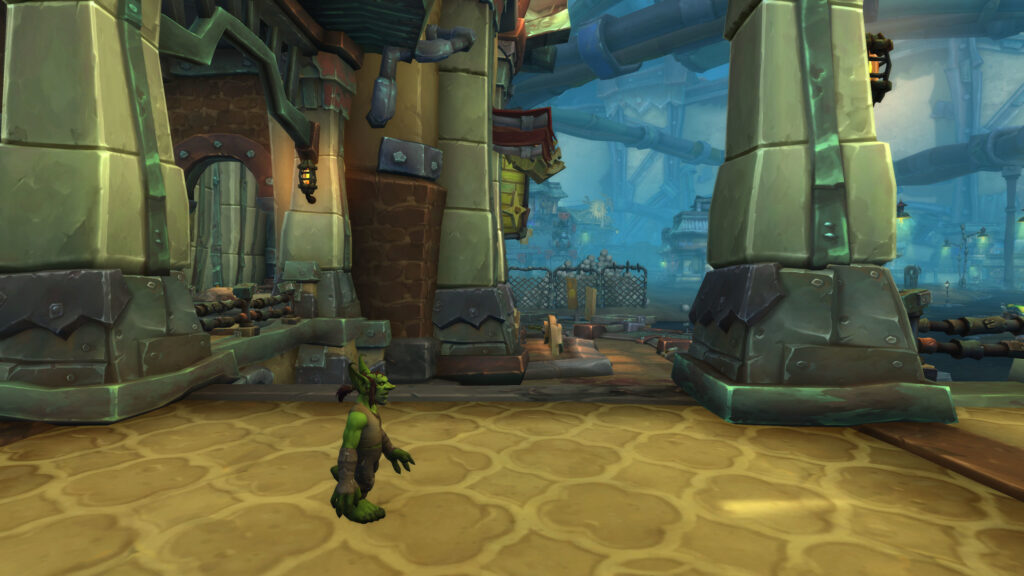
This responsiveness directly translates into higher survival rates.
Design Elements That Improve Readability
Modern dungeons rely on consistent visual language to communicate danger.
- Distinct ground effects with strong contrast
- Clear animations signaling high-impact abilities
- Consistent color usage for similar mechanics
- Reduced overlap between friendly and hostile effects
These elements allow players to prioritize threats instantly.
Learning Through Visibility
Clear visuals improve learning curves. Players understand why they failed and adjust behavior on the next pull.
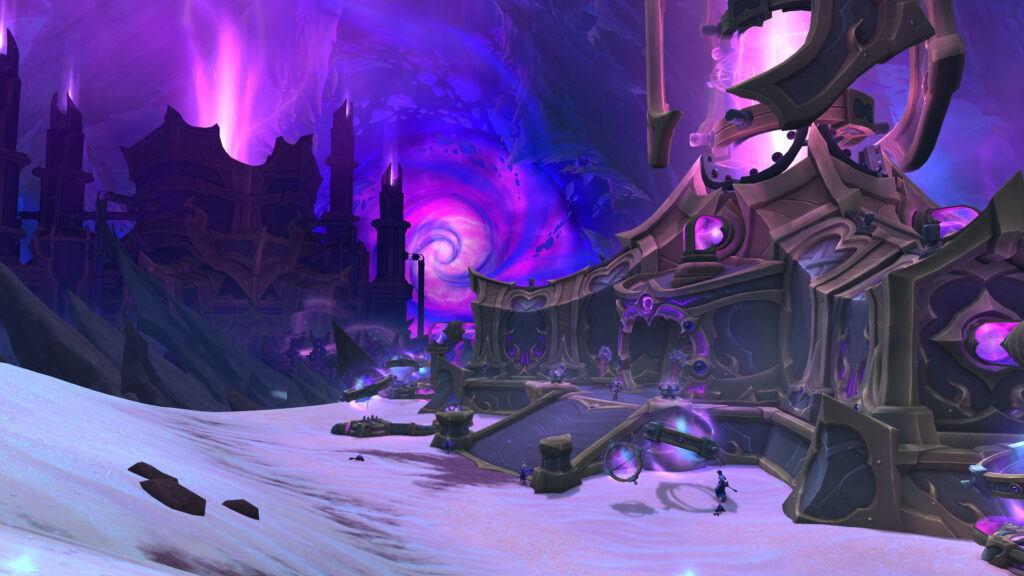
This feedback loop encourages improvement rather than frustration.
Impact on Group Coordination
When mechanics are visually readable, communication becomes more efficient. Players spend less time clarifying danger and more time executing solutions.
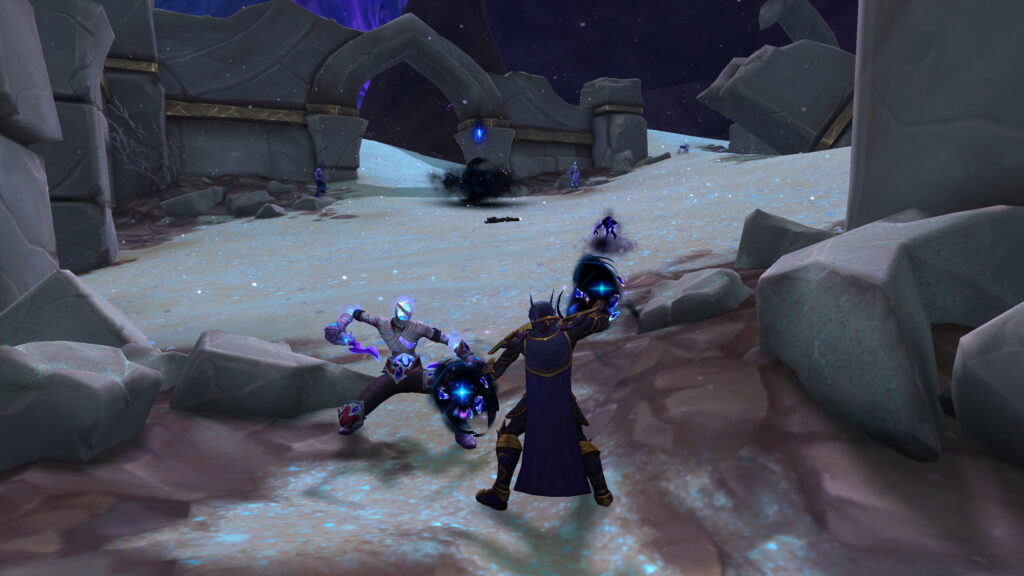
This strengthens coordination without increasing complexity.
Conclusion
Dungeon visual clarity plays a direct role in player reaction and survival. By prioritizing readability over spectacle alone, modern design supports skill expression, learning, and fair challenge, making dungeons demanding without being punishing.