In World of Warcraft, raid tiers have greatly impacted progression, evolving to meet player expectations and community feedback. Early raids like Molten Core featured larger groups and simpler strategies, whereas modern raids require complex execution and communication. As new content is introduced, older raids quickly become obsolete, leading to engagement loss and a need for sustaining player interest through diverse end-game activities. Balancing difficulty levels, particularly in Mythic content, remains essential. The relevance of legacy raids can be enhanced by adjusting loot item levels. The continuous evolution of challenges and strategies heightens player expectations for content, emphasizing the importance of coordination and teamwork. Further exploring raid tiers and their evolution reveals the complexities of WoW’s dynamic end-game environment.
Key Takeaways
- Raid tiers significantly impacted WoW’s gameplay by evolving to meet player expectations, from early coordination-focused raids like Molten Core to modern complex mechanics.
- The life cycle of raid content influences player engagement, with older tiers becoming obsolete,alama and new content necessitating frequent adaptation.
- Balancing difficulty levels, including LFR, Normal, Heroic, and Mythic, is crucial to ensure engaging experiences for both skilled and newer players.
- Legacy raids struggle to stay relevant due to outdated loot and character progression, but adjusting loot item levels and significance could enhance their endurance.
- Continuous updates and new content are essential for player engagement, with a delicate balance between keeping newer content exciting and maintaining the importance of legacy content.
Raid Tiers Over Time
Raid tiers historically have been critical components in World of Warcraft‘s content cycle, reinforcing the notion that each new tier supersedes the previous one, leading to a constant pursuit of relevant content and a sense of urgency.
Raid tiers have undergone significant changes over time. Compare the original raids to the modern ones and you’ll see substantial differences. Earlier raids like Molten Core emphasized large, cohesive groups and simpler strategies. In contrast, contemporary raids require complex execution and high-level communication. The evolution of raid tiers has also been influenced by community feedback and competitive raiding. The World First (WF) title is highly coveted, and guilds like Method have shown that dedication and time investment are essential to achieving this status.
Historical raid comparisons also highlight Blizzard’s continuous balance between accessibility and challenge. For instance, the progression through Vanilla’s Naxxramas and Wrath of the Lich King’s Icecrown Citadel was much longer and more linear compared to newer instances. These observations underscore the ongoing refinement of WoW’s raid design and the importance of raid tiers in maintaining the game’s dynamic interest and the need to stay current.
Content Life Cycle Effect
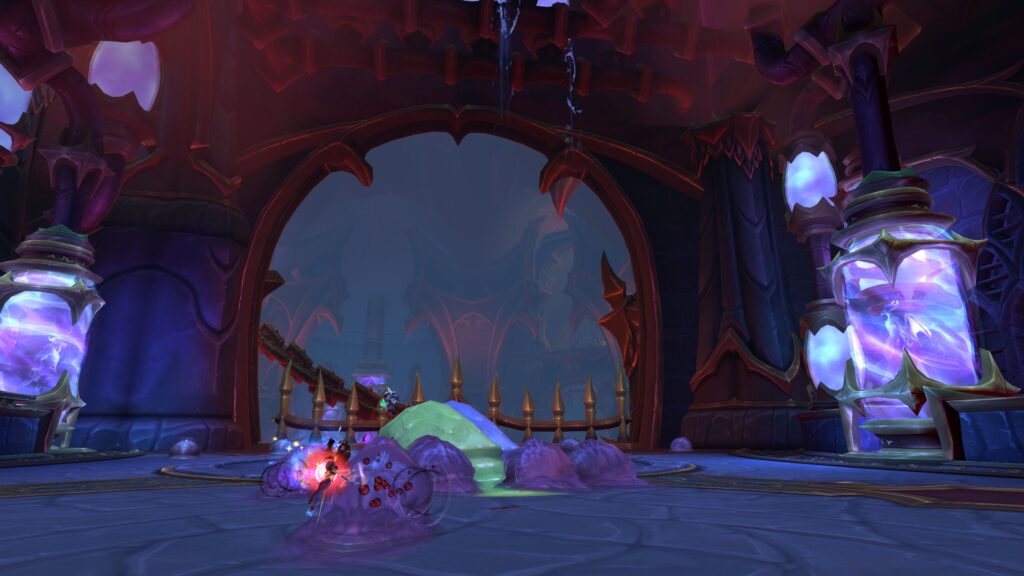
In WoW, it’s common for raid tiers to lose relevance over time. Unfortunately, this leads to players abandoning older content, forcing them to rediscover familiar raids and mounts when new content is released. What steps can be taken to break this cycle and keep raid tiers engaging for longer?
Raid Tier Relevance
Your current gear becomes outdated as Blizzard’s constant updates shift the focus to new raid tiers, making it essential to adapt quickly or be left behind. You experience this firsthand as raid tier dynamics change, impacting how you approach the game. The relevance evolution of raid tiers is critical, and it greatly influences how you prioritize your content engagement. Older raid tiers lose relevance, forcing you to focus on the latest content to stay competitive.
This rapid obsolescence is part of the game’s design. It encourages players to move on to the new content, driving seasonal engagement. The catch-up gear system was introduced to help new players quickly bridge the gap, as the community shifts toward the latest raids. This continuous shuffling of priorities affects your gameplay and gear choices, ultimately impacting the community’s overall progression through the game.
Old Content Wastage
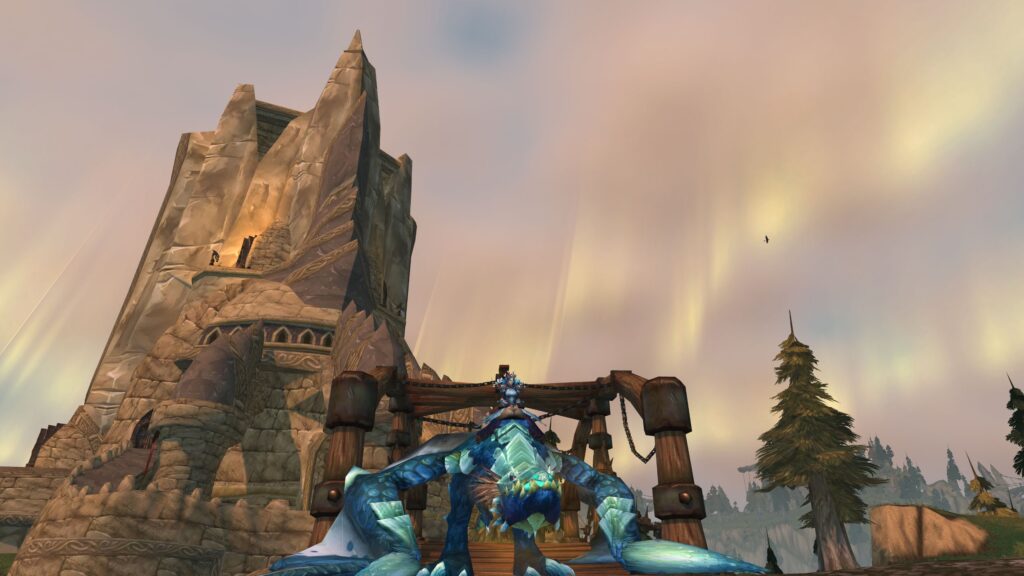
At the heart of World of Warcraft’s ephemeral content experience lies an inherent paradox: once challenging old raids, now rendered obsolete, fall victim to the relentless pace of new content releases, leaving players to confront the transience of their accomplishments and the futility of clinging to aged triumphs. This manifests as the ‘content life cycle effect,’ where legacy content is quickly overshadowed and becomes redundant. Past expansions, once a source of nostalgia and pride, pose accessibility challenges for new players.
Tuning adjustments make previous content less viable for character progression, and loot distribution schemes render old gear obsolete. Despite this, some players still engage in achievement hunting, even if the rewards are no longer needed. The game’s design philosophy prioritizes pushing players toward current content, leading to engagement loss for old raids. The community often requests updates to make old content relevant again, but this would require significant rework and balancing to guarantee the old and new content coexist harmoniously. As expansion cycles continue, players are left to weigh their attachment to previous accomplishments against the lure of new challenges and rewards.
Player Engagement Factors
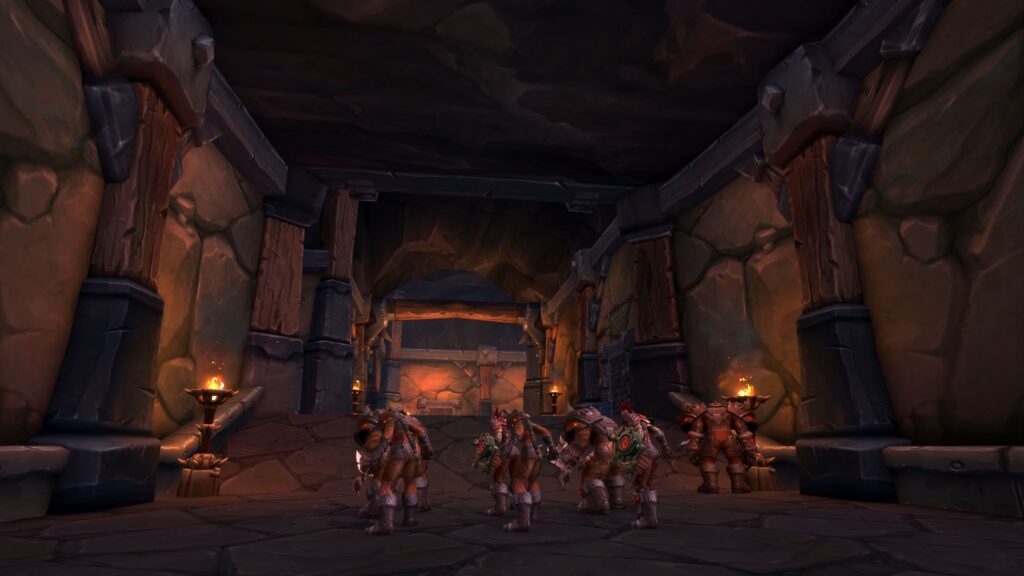
End-game activities, such as raiding and Mythic Plus, are pivotal in sustaining player engagement throughout a WoW expansion. Here’s how raid tiers impact player motivation and community dynamics.
When raid tiers rotate, player motivation often shifts to the new content, focusing on the latest challenges and loot. However, this shift can lead to a decline in participation for older raid tiers. As a result, community dynamics can change considerably. For example, guilds might struggle to maintain member engagement and retention if their progression slows down or if they get stuck on a particular raid.
To mitigate this, some suggest making older raid tiers more relevant by adjusting loot item levels, ensuring that players can still benefit from farming older raids without feeling forced to only focus on the latest content. This could lead to a more balanced player distribution across different raids, enhancing overall engagement. By understanding these dynamics, you can tailor your gameplay and community involvement to maximize your WoW experience.
Balancing Raid Difficulty Levels
Here is the very short paragraph:
As you explore the complexities of raid tiers in World of Warcraft, you encounter issues regarding the scaling and legacy of raids, as well as concerns about the mythic tier’s balance. Legacy raids are officially left behind, becoming less relevant as new content emerges. This raises questions about the effectiveness of scaling raids and maintaining player interest across various difficulties.
Scaling Raids
When you scale raids, the central question revolves around how to balance the varying difficulty levels, which includes challenges like managing the massive feedback on the raiding scene and addressing issues such as the sometimes-annoying dropping of items that don’t fit your group’s composition, all while considering the delicate balance between LFR, Normal, Heroic, and Mythic modes.
To provide depth to this discussion, let’s take a closer look at the raid difficulty levels and their corresponding item levels.
| Difficulty | Item Level Range | Description |
|---|---|---|
| Normal | 400-415 | Relaxing experience with minimal challenge. |
| Heroic | 420-435 | Mid-level challenge with some strategy required. |
| Mythic | 450-470 | High-level challenge for skilled players. |
The dynamic difficulty in raiding mechanics plays an essential role in determining the required gear levels for each tier. This balancing act guarantees that each difficulty level provides an engaging experience for players without becoming too tedious or too easy.
Mythic Tier Issues
In balancing raid difficulty levels, Mythic tier issues emerge as the most vital and frequent points of contention, pushing developers to fine-tune these challenging modes. Here, the emphasis lies on maintaining a delicate balance between the satisfaction of overcoming hard content and avoiding unbridgeable gulfs that lead to player frustration.
The mythic mechanics play a significant role in these challenges, as they must effectively stimulate players while providing improvements in power levels. Essential to this process is guaranteeing mythic accessibility; difficulty must be finely tuned to accommodate different skill levels without disappointing either advanced players seeking extreme challenges or newer players needing some ease to learn the ropes. This balance guarantees a smooth, engaging experience across all mythic tiers.
To strike the ideal balance, developers need to meticulously monitor player performance and adjust the difficulty curve accordingly. This involves rigorous analysis of gameplay data and consistent feedback from the player base. By doing so, they can create a more inclusive and enjoyable raid environment that caters to players of varying skill levels and preferences, fostering a robust community and long-term game engagement.
Legacy Raid Issues
Can Blizzard provide a more satisfying progression experience by keeping old raid tiers relevant throughout the expansion? You might think that abandoning legacy content is necessary to focus on new raids, but this approach has drawbacks. One major issue is that older raids become unengaging after their initial seasons. This is partly due to legacy loot being less desirable compared to newer raid gear, leading to a lack of interest in farming older content. The nostalgia factor, which might persuade players to revisit classic raids, is often not enough to counter this disinterest.
Shifting Priorities in Progression
Impact of Raid Tiers on WoW Progression
Shifting Priorities in Progression
For years, raiders have grappled with the constantly evolving landscape of raid progression. Shifting priorities can be observed in tank specialization shifts, healer role evolution, damage dealer diversity, and community strategy changes. Each tier brings new challenges, and raiders must adapt to these changes to remain competitive.
Tiered Progression
| Role | Shift | Impact |
|---|---|---|
| Tank | Specialization shifts | Enhanced survivability |
| Healer | Role evolution | More focus on proactive healing |
| Damage Dealer | Diversity in playstyle | Increased complexity in encounters |
The evolution of raid tiers has driven significant changes in the way raiders approach encounters. From tank specialization to damage dealer playstyles, each tier requires raiders to adjust and improve their strategies. This constant evolution guarantees that raiding remains a dynamic and engaging part of the World of Warcraft experience.
The Value of Legacy Raids
Legacy raids continue to hold value in the World of Warcraft experience, serving as a demonstration to the game’s evolving design principles and the perseverance of its dedicated raider community. These classic raids showcase the historical significance of the game, highlighting the progression of both the players and the game itself over time.
Here are three key aspects that contribute to the value of legacy raids:
- Legacy Loot: Items from these raids have the potential to be upgraded to relevant power levels, providing an alternative way to gear up without relying solely on the latest content. This approach acknowledges that sometimes, players benefit from items from previous tiers.
- Nostalgia Factor: Replaying old raids allows players to relive cherished memories, experiencing the nostalgia associated with clearing difficult content. This nostalgia can drive community engagement and encourage new players to explore previous expansions.
- Replay Value: Legacy raids still offer a challenging and engaging experience, especially for those who may have missed them initially. They provide a way to keep players engaged when newer content is not readily available, thereby maintaining a sense of progress and satisfaction in the game.
Legacy raids preserve a significant part of the game’s history and continue to cater to the varied interests of World of Warcraft players.
Current State of Raid Mechanics
In the current iteration of World of Warcraft, raid scaling has become a major point of contention among players, with many complaining about the adjustments to difficulty and reward structures in legacy raids. You likely have noticed that raid mechanics have become a vital aspect of your experience. Current mechanics are designed to emphasize raid coordination, requiring precise execution of encounter strategies. Key components like player roles, boss abilities, healing strategies, damage metrics, environmental factors, and debuff management demand precise timing.
Players must understand and manage these mechanics to overcome challenging encounters. The exact timing of silences, dispels, and damage mitigation is essential, making each raid unique and dynamic. The environmental factors within each raid further complicate matters, demanding careful positioning and situational awareness. Additionally, boss abilities and debuffs require specific handling to guarantee success. Overall, the intricate web of mechanics in today’s raids demands close attention to guarantee victory.
Raid Tier Relevance and Updates
Your satisfaction with the current raid tier often revolves around its importance to your progression and overall gameplay experience. Raid tier dynamics noticeably impact gameplay as new tiers are introduced and previous ones become less viable. The constant influx of new raid tiers can make the previous content feel stale and outdated.
Here are three key components influencing raid tier importance and updates:
Key Components:
- Updated Loot Systems: Catch-up mechanisms, such as timed raid affixes and replenished loot pools, allow players to rapidly acquire gear from new raids, rendering older tiers less significant for progressing.
- Seasonal Gameplay: Regularly rotating season events keep the focus on recent content, as new challenges and rewards emerge with each season.
- Memory of Older Raids: Timewalking and other replay features can offer additional ways to engage with past raids, ensuring older content remains memorable, even if not important for progressing.
These strategies aim to balance player engagement by keeping recent content relevant while maintaining the nostalgic appeal of older raids.
Evolving Endgame Expectations
Evolving Endgame Expectations
As the current raid tier progresses, players are met with a continuous cycle of new challenges, each tier revolutionizing their expectations for future content. You find yourself adapting to evolving strategies, constantly refining your approach to tackle the latest boss encounters. At the same time, team dynamics become essential, as communication and coordination are key to overcoming the most intimidating challenges.
Here’s a summary of how raid tiers have evolved:
| Raid Type | Notable Features |
|---|---|
| Fated Raids | Broadened loot pool for faster gearing up |
| Mythic Raids | Mythic-only gear and challenges for the elite |
| Heroic Raids | Easier access to gear for less hardcore players |
| Normal Raids | Entry-level experience for new raiders |
| Past Tiers | Farming important items and nostalgic experiences |
Your journey through these raid tiers shapes your expectations for the next, building anticipation and excitement for what new challenges and rewards are ahead.
Frequently Asked Questions
Can Old Raid Tiers Remain Relevant Without Blocking New Content Progression?
You wonder if old raid tiers can stay relevant without hindering new content progression. The key is balancing nostalgia with forward momentum. If previous tiers remained relevant for gear, you could continue farming important items while still focusing on new content. This approach would enhance community engagement and preserve nostalgic experiences without bogging down progression.
How Does the Increasing Ilvl Gap Affect Legacy Raid Gearing?
When it comes to the increasing ilvl gap and how it affects legacy raid gearing, it’s essential to acknowledge the impact on player engagement strategies. The growing difference in ilvl between current and legacy raids greatly reduces the viability of older raid tiers for gearing up. This makes it less engaging for players, as the legacy loot mechanics offer sub-optimal gear compared to contemporary content.
Are There Plans to Update Old Raid Tiers for Modern Gameplay?
Regarding plans to update old raid tiers for modern gameplay, many players suggest implementing scaling mechanisms to keep legacy raids relevant. This could involve adjusting raid mechanics to fit current difficulty scaling, maintaining the nostalgia factor while enhancing gameplay balance. However, such changes might alter the original experience, so there is ongoing debate about how to best modernize older content without losing its essence.
Would Holding Players to Legacy Raids Hinder Overall Game Progression?
Would holding players to legacy raids hinder overall game progression? If you’re forced to play older raids for gear, you might feel like you’re stuck in the past rather than progressing forward. This could hinder your investment in the game as you’ll need to repeatedly revisit outdated content. Raid accessibility becomes limited, and your time is spent replaying old raids instead of exploring new challenges.
Can the Ilvl Difference Between Raid Tiers Be Reduced?
While discussing the ilvl difference between raid tiers, you might wonder if scaling rewards can work for all tiers. Well, reducing the ilvl difference would make previous tiers more relevant for gearing up. This change would offer tier flexibility, as players could continue to use older raids to acquire important items without feeling forced to constantly switch to newer content.
Conclusion
The constant flux in WoW’s raid tiers greatly impacts player progression and engagement. As new tiers emerge, old ones become less relevant, affecting what players focus on. Balancing difficulty levels, shifting priorities, and the value of legacy raids all influence the endgame expectation. Adrianne therefore sees the importance of their approach to keeping content fresh and engaging for all players, regardless of their skill level, to guarantee raiding remains a fulfilling aspect of the game.
Join our community of passionate WoW players and gain the insights you need to lead your raid team to victory. Dive in, explore, and take your raiding game to the next level!