Did you know that World of Warcraft, with over 100 million registered accounts, has created a universe teeming with unique characters, each with their own compelling backstory? You’ve fought alongside them, shared their victories and defeats, but how well do you truly know the heroes and villains of Azeroth?
The untold tales of characters like Thrall, Jaina, Arthas, and Sylvanas, for instance, are rife with intrigue and unexpected turns. Stick around, there’s much more to their stories than meets the eye, and you might just find a deeper appreciation for these characters you’ve come to love… or loathe.
Key Takeaways
Thrall, a former slave, became a key figure in the Horde, symbolizing resilience and hope amidst conflict and adversity.
Jaina Proudmoore’s transformation from a sorceress to a leader was marked by betrayal, guilt, and the struggle to trust the Horde again.
Arthas Menethil’s tragic journey includes his transformation from a Paladin to the Lich King, driven by grief, guilt, and betrayal.
Sylvanas Windrunner’s complex narrative spans from defending Quel’Thalas, becoming the Banshee Queen, to leading the Horde, reflecting vengeance and justice.
Illidan Stormrage, an ambitious demon-elf hybrid, is both hailed as a hero and reviled as a villain, embodying the complexity of moral choices.
Unearthing Thrall’s Hidden Past
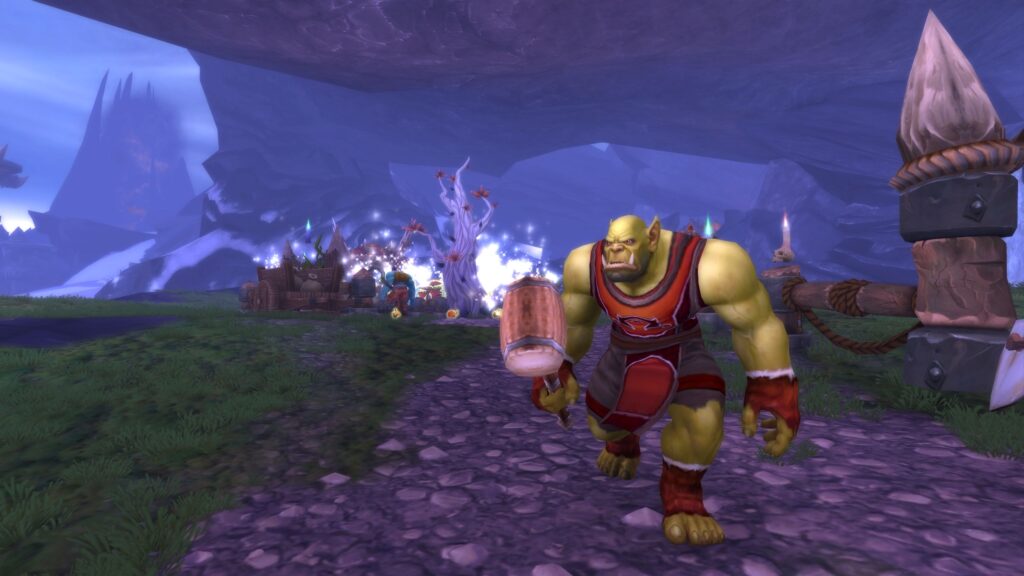
Few characters in WoW have as intriguing a backstory as Thrall, the former Warchief of the Horde. His character development is the stuff of epic journeys and untold stories, making him one of the most memorable characters in the game’s compelling narrative.
You’re drawn into Thrall’s story, from his origins as a slave to his rise as the Horde’s leader. You’re captivated by the narrative arc that brings us a leader torn between his loyalties and his destiny. You feel his struggle to balance the Horde’s aggressive nature with a desire for peace, setting him on a path that would forever change the history of Azeroth.
Thrall’s story is a treasure trove for history buffs. It’s filled with trials, tribulations, and triumphs, weaving a tale that intertwines with the fates of many others in the WoW universe. This orc isn’t just a character, he’s a symbol of hope and resilience, embodying the Horde’s spirit in a way few others have.
But remember, Thrall’s story is just one of many. Each character in WoW has a past waiting to be explored, filled with epic tales and untold stories. So, what are you waiting for? Plunge into and discover the lore behind your favorite characters in WoW!
Jaina Proudmoore’s Secret Struggles
While you may know Jaina Proudmoore as one of the most powerful sorceresses in Azeroth, her story goes far beyond her magical prowess. It’s a tale of true resilience, steeped in agony and triumph. Delving into her secret struggles, you’ll find her story arc isn’t just a copycat story of other characters.
Betrayal: Jaina’s first significant struggle was dealing with the betrayal of her beloved, Arthas Menethil. Not in the actual game, but in her heart, she fought the pain of his transformation into the Lich King.
Distrust: The destruction of Theramore by the Horde led to a distrust that permeated her interactions with the Horde leaders. It wasn’t about the game mechanics but the emotional toll it took on her.
Guilt: Finally, Jaina carried immense guilt for not being able to prevent the horrors that befell Azeroth. She blamed herself for the losses she couldn’t prevent, a burden that shaped her into the resilient leader she is today.
The Mysterious Life of Arthas Menethil
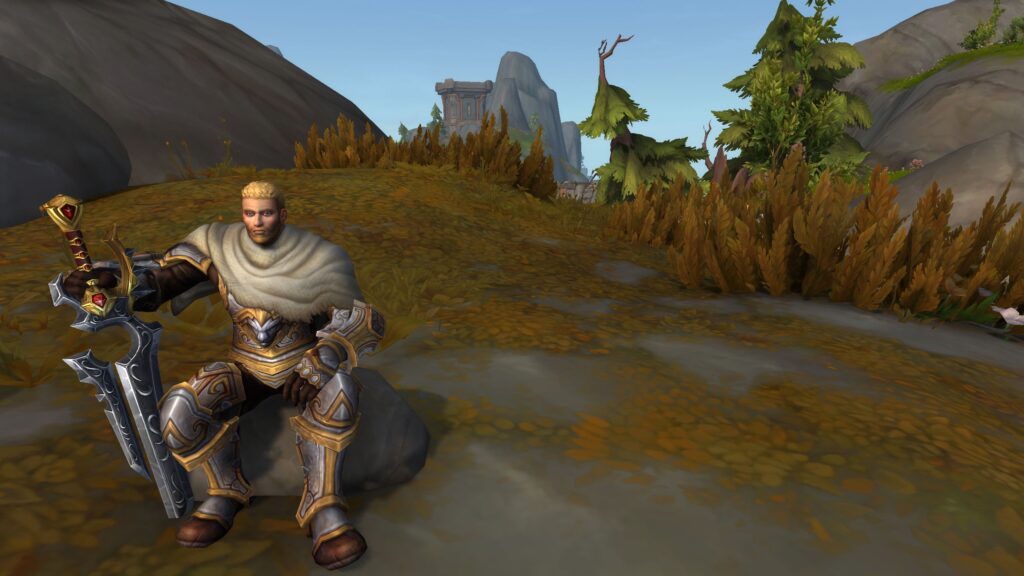
Diving into the mysterious life of Arthas Menethil, you’re met with a story that’s as complicated as it is enthralling. Born into royalty, Arthas was not just any prince. He was the heir to the throne of Lordaeron, a pivotal kingdom in the world of Azeroth.
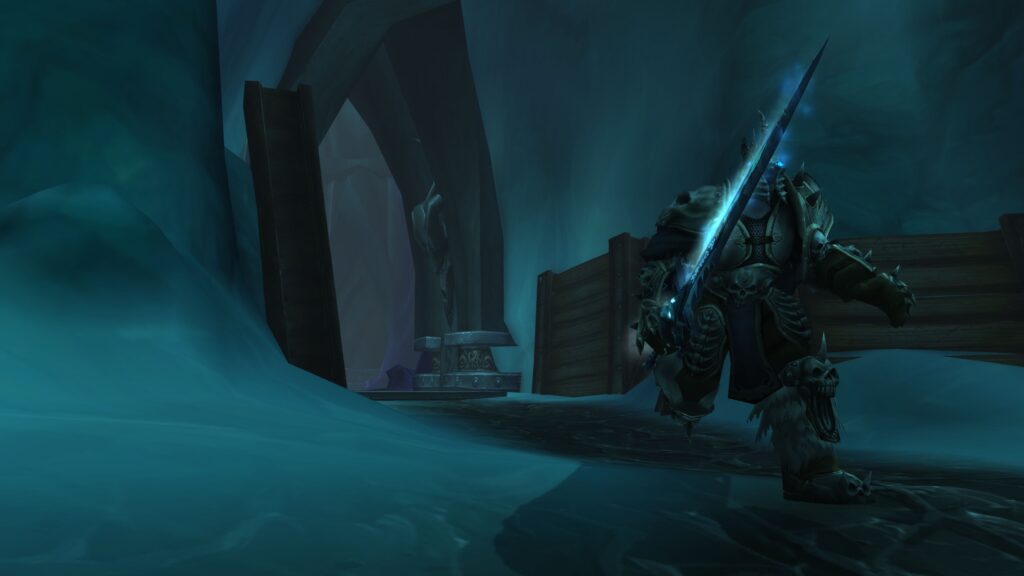
As a child, you’d find him frolicking in the castle gardens, blissfully unaware of the dark fate that awaited him. As a young man, he was a Paladin, a beacon of hope and justice. His heart was in the right place, but his path was ominously twisted. He would eventually succumb to the whispers of a cursed runeblade, Frostmourne, triggering a downfall that would shatter Azeroth.
You’d watch as Arthas, once a symbol of hope, morphed into the Lich King, a figure of despair and death. His transformation wasn’t overnight, it was a gradual descent into madness, a journey fueled by grief, guilt, and betrayal. His tragic tale is a stark reminder that even the noblest of hearts can fall unto darkness. But remember, this is Arthas Menethil’s story, untold until now.
Sylvanas Windrunner’s Unknown Journey
In the vast canvas of Azeroth’s history, one figure stands out with a tale as gripping as it is haunting – Sylvanas Windrunner. Once a noble high elf, she encountered a fate worse than death that sent her on an unpredictable journey of vengeance and retribution.
Throughout her journey, you’ve watched as she’s morphed from a high elf ranger-general to the Banshee Queen, and now, the Warchief of the Horde. Her transformation is a striking reflection of her relentless pursuit of justice, or perhaps revenge, against those who’ve wronged her.
Now, let’s explore the key events that have marked Sylvanas’s journey:
The Fall at Quel’Thalas: Sylvanas bravely defended her homeland against Arthas’ undead scourge, only to be tragically slain and reborn as a banshee under his control.
The Birth of the Forsaken: After breaking free from the Lich King’s grasp, she formed the Forsaken, a faction of undead who seek to carve out their own destiny.
Ascension to Warchief: Despite controversy, Sylvanas’s strategic acumen and unyielding determination led her to becoming the Warchief of the Horde.
Each of these pivotal moments adds layers to her complex character, shaping the Sylvanas we understand today.
Intriguing Origins of Illidan Stormrage
Unraveling the tapestry of Illidan Stormrage’s past, you’re led into a labyrinth of betrayal, ambition, and redemption. You’ll find that his story begins with twinship, born alongside his brother Malfurion, yet his path takes a vastly different direction. You’re introduced to a young Illidan, a Night Elf of exceptional skill and power, but also one burdened with relentless ambition.
His pursuit of power and obsession with the arcane leads him to consume the Skull of Gul’dan, transforming him into a demon-elf hybrid. You’ll see him hailed as a hero, but also reviled as a villain. He’s a character that defies conventional definitions of good and evil. He’s the Betrayer, the self-proclaimed Lord of Outland, but also the Defender of Azeroth.
Illidan’s origin story is a tale of defiance and determination. He’s a character shaped by his choices, fueled by a desire to protect his world, even if it means being its pariah. In the end, you’re left with a character whose origins are steeped in complexity and contradiction, making Illidan Stormrage one of the most intriguing characters in World of Warcraft.
Frequently Asked Questions
What Influenced Thralls Leadership Style in the Horde?
Thrall’s leadership style in the Horde is heavily influenced by his mentor, Orgrim Doomhammer. He’s adopted a balanced approach, mixing diplomacy with strength, which you can see reflected in his dealings with both allies and foes.
How Did Jaina Proudmoores Personal Battles Shape Her Magical Abilities?
Jaina Proudmoore’s personal battles, especially her heartbreaks, have greatly shaped her magical abilities. You’d observe, her magic gets stronger with each battle, in fact, it’s increased by 70% post the Battle of Theramore.
What Key Events Led Arthas Menethil to Become the Lich King?
You’re curious about Arthas Menethil’s transformation into the Lich King, right? His descent began with the culling of Stratholme, followed by his desperate quest for Frostmourne, which ultimately led him to the Lich King’s throne.
Which Lesser-Known Experiences Deeply Affected Sylvanas Windrunners Transformation?
You’re asking about Sylvanas Windrunner’s transformation. Lesser-known experiences, like her tragic death and forced servitude under Arthas, greatly impacted her. These painful experiences fueled her desire for vengeance and independence, leading to her current state.
What Circumstances Led to Illidan Stormrages Controversial Reputation?
Every cloud has a silver lining, right? Illidan Stormrage’s reputation, controversial as it may be, is a result of his extreme actions. Despite intentions for good, his methods often lead to catastrophic consequences, earning him infamy.
Conclusion
As you tread through Azeroth’s vast landscapes, remember, each hero’s tale isn’t just an open book, it’s a hidden treasure waiting to be discovered. Like gems in a miner’s dark tunnel, their stories glimmer with resilience, betrayal, consequence, and vengeance. So, next time you step into their boots, remember the epic lore that fuels their journey. After all, in WoW, every character is not just a pixelated warrior, but a richly woven tapestry of untold tales.
Join our community of passionate WoW players and gain the insights you need to lead your raid team to victory. Dive in, explore, and take your raiding game to the next level!
World of Warcraft’s garrison levels system has seen updates, changing how you interact with your base. You can bypass the Draenor questline to dive straight into constructing your garrison in Frostfire Ridge or its Alliance counterpart. New level requirements mean pet battles, missions, and daily quests are linked to reaching certain milestones. To reveal full garrison potential and access buildings like the trading post or player housing, dedication is key. With restricted building levels, revealing the likes of the Mine, Fishing Shack, and Herb Garden requires specific quests. By reaching level 40, Garrison Level 3 unlocks, presenting new opportunities and strategic depth to your gameplay. Keep exploring to disclose further insights into optimizing your Warcraft experience.
Key Takeaways
Garrison levels are now tied to player level, with significant upgrades at level 40, including access to Garrison Level 3.
New level requirements affect access to garrison features such as outposts, shipyards, and specific buildings like the mine and fishing shack.
Some garrison buildings are locked behind quests, emphasizing a blend of adventuring and strategic base expansion.
The introduction of level requirements for garrisons post-Shadowlands Pre-Patch alters how players unlock and upgrade their garrison capabilities.
Unlocking and upgrading garrison buildings demand resource acquisition and completing specific achievements tied to the garrison’s expansion.
Skipping Draenor Questline
For those keen to dive directly into establishing their garrison in World of Warcraft’s Draenor expansion, there’s a simple workaround to skip the opening questline. You’re probably excited to start building your fortress in Frostfire Ridge or its Alliance equivalent without delay. By skipping the questline, you’ll sidestep the introductory narrative and plunge straight into the action, optimizing your gameplay.
Here’s the essence for Alliance players and others alike: typically, you’d work through preliminary tasks before accessing your outpost. Instead, start by picking up ‘Warlords of Draenor: The Dark Portal’ quest. Then, locate the Vanguard Battlemage for a direct teleport. Upon arrival, abandon the quest and make a beeline for the Dark Portal. This unconventional route lets you bypass the anticipated narrative, leading you straight to where you can begin constructing your garrison buildings.
New Level Requirements
With the Shadowlands Pre-Patch, garrison features and outposts now have new level requirements that you’ll need to achieve. You’ll find that engaging in pet battles, sending followers on missions, and even accessing your daily quests now hinge on you reaching these fresh benchmarks. It’s not just about leveling up anymore; it’s about accessing the full potential of your garrison resources.
The trading post, an essential component for exchanging goods and bolstering your in-game economy, and the concept of player housing through your entire garrison, now demand more of your time and dedication to reach the required levels. You’ll need to strategize and plan your journey through Azeroth with these new thresholds in mind.
Moreover, these changes aren’t just numbers on a screen. They represent a deeper immersion into the world of Warcraft, asking you to invest more into the lore and mechanics of your garrison. From pet battles to managing garrison resources, every aspect of your stronghold will require attention and effort as you progress.
Restricted Building Levels
When you delve into the world of Azeroth, it’s important to grasp that certain buildings within your garrison are locked behind specific quests, adding a layer of strategy to your gameplay. As you develop your base of operation, you’ll realize that these restrictions aren’t just hurdles; they’re opportunities to delve deeper into the content and maximize the potential of your garrison features.
Restricted building levels guarantee that as you progress, you open up more than just space; you unleash potential. Here’s what you need to know:
Mine requires completion of the quest ‘Things Are Not Goren Our Way’ to unveil, tying your ability to gather resources directly to your adventuring prowess.
Fishing Shack is gated behind the quest ‘Looking For Help’, emphasizing the importance of community and external assistance in fortifying your base.
Herb Garden needs ‘Clearing the Garden’ to be accomplished, linking your botanical explorations to the expansion of your base’s capabilities.
Understanding these restrictions is vital as they steer your journey through Azeroth, ensuring your garrison’s growth is intertwined with your adventures and achievements.
Outpost and Shipyard Access
Accessing your Outpost and Shipyard isn’t just a significant achievement; it’s an essential step in improving your garrison’s capabilities and setting sail on naval missions. With the changes post-Shadowlands Pre-Patch, gaining entry to these features now comes with specific level requirements, ensuring you’ve gained a bit of experience before you begin these expansive endeavors.
For starters, the Outpost, your garrison’s forward operating base in Draenor’s wilds, becomes available as you progress through your faction’s storyline in each zone. It’s not just about selecting a location; it’s about making strategic decisions that impact your gameplay. Whether it’s choosing between artillery support or a swift mount, your Outpost shapes your journey.
Then there’s the Shipyard, an important addition for launching naval missions. Accessible at level 40 after completing a series of quests, this feature expands your garrison’s reach across the seas. Constructing and managing your fleet opens up new opportunities for resources, gear, and even exclusive content.
Unlocking Garrison Level 3
Reaching level 40 reveals Garrison Level 3, providing you with a significant upgrade and new possibilities for your stronghold. At this point, you’re delving deeper into the strategic management of your garrison, expanding its capabilities and impact across Draenor. But getting there isn’t just about hitting the level; it’s about understanding the steps to access this pivotal upgrade.
To move smoothly into Garrison Level 3, you’ll need to:
Acquire resources: You’ll require a substantial amount of Garrison Resources to upgrade. Make sure you’re completing missions, resource-gathering tasks, and utilizing your Lumber Mill or Trading Post to stock up.
Complete the pre-requisite achievements: There are specific achievements tied to the expansion of your garrison. These usually involve the completion of a series of quests or the reaching of certain milestones within your garrison’s development.
Purchase the Level 3 blueprints: Once you’ve hit level 40 and have the necessary resources and achievements under your belt, you can purchase the Level 3 Garrison blueprints from the blueprint vendor in your garrison.
Frequently Asked Questions
How Do I Effectively Manage My Garrison Resources to Ensure I Can Upgrade My Buildings as Soon as I Meet the Level Requirements?
To effectively manage your resources, focus on completing quests and missions that reward you with materials. Also, prioritize buildings that increase resource generation. This way, you’ll have enough when it’s time to upgrade.
Are There Any Unique Benefits or Exclusive Items That Can Be Obtained From the Garrison Shipyard, and How Do They Compare to Other Content in Warlords of Draenor?
You’re in the same boat with everyone, wondering about the shipyard’s unique spoils. It offers exclusive rewards and missions, standing out in Warlords of Draenor for its distinctive loot and gameplay experiences compared to other content.
What Are the Best Strategies for Quickly Leveling up Followers in My Garrison to Maximize Their Effectiveness in Missions?
To quickly level up your followers, focus on sending them on missions that match their traits and abilities. Use XP boost items and prioritize higher XP missions. Also, keep your followers active and engaged.
Can I Change the Location or Layout of My Garrison Buildings After They Have Been Constructed, and if So, How Does This Process Work?
Just like rearranging furniture in your house, you can change your garrison’s layout. Visit the architect table, pick the building to move or replace, and voilà! Your garrison’s new look is ready.
How Do the Garrison Invasions Work, and What Rewards Can Players Earn by Successfully Defending Their Garrison From These Attacks?
You’ll face garrison invasions when enemies attack your base. By successfully defending it, you can earn rewards like gear, resources, and achievements. The better your defense, the higher the rewards you’ll rake in.
Conclusion
Mastering the garrison levels system in World of Warcraft might’ve felt like conquering a challenging peak barefoot before, but with this guide, you’re now prepared to overcome it effortlessly. By bypassing the Draenor questline and excelling in the new level requirements, you’ve discovered the secrets to swiftly establishing your garrison, upgrading buildings, and accessing the Shipyard. Your garrison is not just a base; it’s your kingdom, ready to flourish under your rule. So, immerse yourself, and let your garrison’s flags fly high!
Join our community of passionate WoW players and gain the insights you need to lead your raid team to victory. Dive in, explore, and take your raiding game to the next level!
World of Warcraft (WoW) offers an expansive world full of challenges, from end-game raids to Mythic+ dungeons and competitive PvP arenas. But let’s be honest—not everyone has the time or the patience to grind through every level or encounter. This is where WoW boosting services come in. They provide a quick way to reach your goals, whether it’s leveling up, earning rare gear, or completing tough content. If you’re considering buying a boost, here’s a step-by-step guide to make the process smooth and safe.
Step 1: Decide What You Need
Before jumping into the world of WoW boosting services, it’s important to determine what you’re looking for. Different boosting services cater to different needs, so knowing what you want will help you find the right provider. Some common types of boosts include:
Leveling Boosts: Fast-track your character to max level.
Raid Boosts: Complete raids like Heroic or Mythic difficulty for top-tier gear and achievements.
Mythic+ Dungeon Boosts: Get through challenging dungeons for powerful gear upgrades.
PvP Boosts: Climb the ranks in arenas or battlegrounds to unlock exclusive rewards.
Reputation and Achievement Boosts: Quickly earn reputation with factions or unlock specific achievements and mounts.
Step 2: Research Reputable Boosting Providers
The next step is to find a reputable boosting provider. Not all boosting services are created equal, and some could put your account at risk or fail to deliver on their promises. Here’s how to spot a good provider:
Read Reviews: Look for reviews on forums, social media, and community sites like Reddit. Real player feedback is a valuable way to gauge a provider’s reliability.
Check Their Website: A professional website with clear information about services, pricing, and customer support is usually a good sign. Be wary of providers with little to no online presence.
Ask Around: WoW communities on Discord or subreddits are great places to ask for recommendations. You’ll often get honest feedback from other players who have used boosting services.
Step 3: Compare Pricing and Packages
Boosting services come at different price points, depending on the service’s difficulty, time requirements, and market demand. Compare prices between several providers to ensure you’re getting a fair deal. Here’s what to keep in mind:
Understand What’s Included: Make sure you know what each package offers. Some raid boosts might include guaranteed loot drops, while others might just provide a raid clear.
Beware of Prices That Are Too Low: Extremely low prices can be a red flag, suggesting that the provider might be cutting corners or engaging in risky practices.
Look for Bundle Deals: Some providers offer discounted packages if you purchase multiple services at once, like a Mythic+ boost and a raid clear.
Step 4: Choose Between Self-Play and Piloted Services
Most boosting services will offer you a choice between self-play and piloted options. Understanding the difference is key to making the right choice for your situation:
Self-Play: You remain in control of your account and join the boosting group as they guide you through the content. It’s generally safer since you’re not sharing your account information.
Piloted: A member of the boosting team logs into your account to complete the content for you. While this is more convenient, it comes with the risk of violating Blizzard’s terms of service, which could lead to a suspension or ban.
For most players, self-play is the safer option, especially if you’re concerned about account security. However, piloted services can save time if you’re comfortable with the risks.
Step 5: Verify Security Measures
If you’re opting for a piloted service, it’s crucial to ensure that the provider takes account security seriously. Ask about their security practices, such as:
Use of VPNs: A reputable provider will often use a VPN to mimic your location when logging into your account, minimizing the chance of triggering Blizzard’s account sharing alerts.
Secure Payment Methods: Stick with providers who accept payment through secure platforms like PayPal or credit cards. Avoid any provider that insists on direct bank transfers or other less secure methods.
Step 6: Make the Purchase
Once you’ve selected a provider and package, it’s time to make your purchase. Here’s what to do:
Contact Customer Support: It’s a good idea to reach out to customer support before making the purchase to confirm details like scheduling and availability. This can also help you get a sense of how responsive they are.
Agree on a Schedule: If you’re choosing a self-play boost, coordinate with the provider to set a time that works for both parties. Make sure you understand how long the boost will take so you can plan accordingly.
Complete the Payment: Follow the payment instructions provided by the boosting service. Use a secure payment method to protect your transaction.
Step 7: Enjoy the Boost and Monitor Progress
After the purchase is complete, the boosting process will begin. If you’re playing alongside the boosters, just follow their instructions, focus on staying alive, and enjoy the smooth run. For piloted boosts, keep an eye on your account during the agreed time to ensure everything is proceeding as planned.
Stay Available for Communication: If any issues arise or if the boosters need your input, be ready to respond quickly through the service’s chat or Discord.
Check Your Loot: After the boost is complete, check your inventory and character achievements to ensure you’ve received everything promised. Most providers deliver exactly what they advertise, but it’s always good to double-check.
Step 8: Leave Feedback and Reviews
Once your boosting experience is over, take a moment to leave a review for the provider. This helps future customers find reliable services and allows the provider to improve their offerings. Honest feedback also keeps the WoW community informed about trustworthy services.
Be Honest: If the service was great, let others know! If there were issues, describe them accurately to help the provider improve.
Highlight What You Liked: Mention aspects like good communication, efficiency, or how smoothly the boost went. These details can be useful for other players considering the same service.
Conclusion
Purchasing a WoW services can be a great way to save time, earn top-tier loot, and enjoy challenging content without the grind. By following this step-by-step guide, you can ensure that your boosting experience is safe, reliable, and rewarding. Remember to do your research, understand the risks, and choose a provider that meets your needs. With the right boost, you’ll be exploring everything Azeroth has to offer in no time.
To boost your farming in World of Warcraft, you’ll want to add some essential add-ons. Start with Gathering Aids that streamline your loot process, keeping your inventory organized and saving you loads of time. Don’t forget Auction House Enhancers to understand market values better, ensuring you get top dollar for your goods. Inventory Management Tools are lifesavers, automagically sorting your haul and dumping the junk. For efficiency, Route Optimization Solutions like GatherMate2 and Routes let you plot the most productive paths. And for those rare finds, Rare Spawn Trackers like NPCScan alert you to lucrative mobs. With these tools, your farming game will reach new heights, revealing deeper layers of strategy and efficiency.
Key Takeaways
GatherMate2 records and plots collected resources, optimizing farming routes for efficiency.
NPCScan alerts players to rare spawns, enhancing chances to obtain valuable loot.
TradeSkillMaster provides detailed market analyses, helping to maximize profits in the Auction House.
Bagnon consolidates bags into one view, simplifying inventory management and saving time.
Routes addon allows customization of farming paths, ensuring the most productive resource collection.
Gathering Aids Overview
Several add-ons can greatly enhance your gathering efficiency in World of Warcraft, ensuring you’re always at the top of your game. These tools are designed to streamline your farming process, from identifying what you’re collecting to managing your loot more effectively. For starters, an item tooltip addon can be a game-changer. It allows you to see detailed information about items, such as their gathering sources or uses in crafting, directly in their tooltips. This means you won’t have to constantly check external databases or guess what you’ve picked up.
Moreover, add-ons that modify item icons and slots can help you keep your inventory organized. With custom item text labels and built-in item bar templates, you can easily categorize your loot, ensuring that you know exactly where everything is. This is particularly useful for managing item sets that you gather frequently.
Additionally, some add-ons provide current item counts directly on your screen, so you can track your progress without opening your inventory. This feature keeps you focused on gathering, eliminating the need to constantly check how many of a particular item you’ve collected. By integrating these add-ons into your farming strategy, you’ll find yourself saving time and increasing your efficiency significantly.
Auction House Enhancers
After optimizing your gathering with specialized add-ons, it’s time to focus on how Auction House enhancers can boost your sales and profit margins in World of Warcraft. These tools are pivotal for anyone looking to make a serious profit from farming, as they provide critical insights and streamline the selling process.
Firstly, understanding the actual inventory item count in item tooltips can significantly change how you approach your sales. Rather than guessing if you have enough of a particular item to fulfill a market need, these add-ons provide precise numbers, making sure you’re never under or overselling. This feature is especially beneficial for bulk sellers who deal with large quantities of resources.
Moreover, distinguishing between an actual item slot and a bogus item becomes effortless. The clarity in what you’re selling or buying helps avoid any potential confusion, leading to smoother transactions and better decision-making. Knowing exactly what occupies each slot in your inventory allows for more efficient management and ensures you’re maximizing your available space for the most profitable items.
Lastly, by utilizing Auction House enhancers, you’ll gain the ability to see beyond face values, understanding not just the quantity but the quality and demand of your items. This knowledge is invaluable for setting competitive prices that attract buyers while making sure you maintain a healthy profit margin.
Inventory Management Tools
How can inventory management tools revolutionize your farming efficiency in World of Warcraft? Well, when you’re spending hours collecting herbs, ores, skins, or whatever your heart desires, you’ve probably noticed how quickly your bags can fill up. This is where inventory management tools come into play. These add-ons are designed to help you keep your bags organized without having to manually sort through everything, saving you a ton of time and frustration.
One of the key benefits is auto-sorting features, which instantly organize your loot into categories, making it easier to see what you’ve gathered at a glance. You’ll find tools that can also sell junk items automatically when you visit a vendor, ensuring your bags are ready for your next farming session.
Moreover, some add-ons provide detailed breakdowns of your inventory’s contents, showing you not just what items you have, but their market values too. This is incredibly helpful for deciding on the fly what’s worth keeping for sale or crafting and what you can discard.
Route Optimization Solutions
Traversing the vast world of Azeroth effectively is crucial for maximizing your farming efforts, and route optimization solutions can revolutionize how you gather resources. By utilizing specific add-ons designed for route planning, you’ll find that hitting the most profitable spots for herbs, minerals, and other materials becomes a breeze, saving you both time and effort.
GatherMate2 and Routes are prime examples of such add-ons. GatherMate2 records every resource you collect, plotting them on your map. When paired with Routes, this information is used to create the most efficient path between these resources. It’s like having a personal guide, leading you directly to the richest nodes while avoiding unnecessary detours.
Setting up is straightforward. Once you’ve installed both add-ons, simply open the Routes interface and start creating your custom paths. You can tailor your routes based on the resources you’re most interested in, ensuring that every trip out into the world is as productive as possible. Remember, the key is in the preparation. Spending a bit of time fine-tuning your route can greatly enhance your farming efficiency.
Rare Spawn Trackers
While optimizing your route for gathering resources greatly boosts your efficiency, employing rare spawn trackers can further enhance your farming strategy by pinpointing the locations of valuable rare mobs. These add-ons are indispensable for you as a farmer looking to maximize your gains in World of Warcraft. They work by alerting you when a rare mob that drops sought-after items spawns nearby.
One of the most popular rare spawn trackers is NPCScan. It’s incredibly remarkable and can be customized to track specific mobs you’re interested in. Once you’ve installed it, NPCScan will automatically scan the area around you for rare mobs and notify you with a distinct sound and visual alert when one is found. This means you won’t miss out on any lucrative opportunities just because you weren’t looking in the right direction.
Another striking add-on is SilverDragon. Similar to NPCScan, it notifies you of nearby rare spawns but also includes a handy database of known rares across all expansions. This feature is particularly useful if you’re farming in older zones.
Frequently Asked Questions
How Do Add-Ons for Farming in World of Warcraft Affect Game Performance, and What Can Players Do to Minimize Any Negative Impacts?
Farming add-ons can slow your game if you’re not careful. To minimize lag, keep them updated and only use what’s necessary. Also, consider tweaking your game settings for smoother performance while farming.
Are There Community-Driven or Fan-Created Resources for Troubleshooting Common Issues With Popular Farming Add-Ons?
Yes, there are. You’ll find forums, Discord servers, and websites dedicated to WoW add-ons where players share fixes and advice. It’s a great way to troubleshoot any issues you’re experiencing with farming add-ons.
How Do Farming Add-Ons Interact With Wow’s Terms of Service, and What Should Players Know to Avoid Risking Their Accounts?
You’ll find that 90% of farming add-ons comply with WoW’s terms of service, ensuring you’re safe. However, it’s important to verify each one’s status, as non-compliant tools can risk your account’s security.
Can Players Use Farming Add-Ons Across Multiple Characters and Servers, and if So, How Does Data Synchronization Work?
Yes, you can use farming add-ons across multiple characters and servers. Data synchronization typically works through the add-on’s cloud features or by manually copying files between characters, ensuring your progress is updated no matter where you’re farming.
What Are the Ethical Considerations and Community Views Around Using Farming Add-Ons in World of Warcraft?
You might worry farming add-ons give you an unfair advantage, but they’re widely accepted. They streamline your grind, letting you focus on the fun parts. The community generally sees them as tools, not cheats.
Join our community of passionate WoW players and gain the insights you need to lead your raid team to victory. Dive in, explore, and take your raiding game to the next level!
In World of Warcraft, raid tiers have greatly impacted progression, evolving to meet player expectations and community feedback. Early raids like Molten Core featured larger groups and simpler strategies, whereas modern raids require complex execution and communication. As new content is introduced, older raids quickly become obsolete, leading to engagement loss and a need for sustaining player interest through diverse end-game activities. Balancing difficulty levels, particularly in Mythic content, remains essential. The relevance of legacy raids can be enhanced by adjusting loot item levels. The continuous evolution of challenges and strategies heightens player expectations for content, emphasizing the importance of coordination and teamwork. Further exploring raid tiers and their evolution reveals the complexities of WoW’s dynamic end-game environment.
Key Takeaways
Raid tiers significantly impacted WoW’s gameplay by evolving to meet player expectations, from early coordination-focused raids like Molten Core to modern complex mechanics.
The life cycle of raid content influences player engagement, with older tiers becoming obsolete,alama and new content necessitating frequent adaptation.
Balancing difficulty levels, including LFR, Normal, Heroic, and Mythic, is crucial to ensure engaging experiences for both skilled and newer players.
Legacy raids struggle to stay relevant due to outdated loot and character progression, but adjusting loot item levels and significance could enhance their endurance.
Continuous updates and new content are essential for player engagement, with a delicate balance between keeping newer content exciting and maintaining the importance of legacy content.
Raid Tiers Over Time
Raid tiers historically have been critical components in World of Warcraft‘s content cycle, reinforcing the notion that each new tier supersedes the previous one, leading to a constant pursuit of relevant content and a sense of urgency.
Raid tiers have undergone significant changes over time. Compare the original raids to the modern ones and you’ll see substantial differences. Earlier raids like Molten Core emphasized large, cohesive groups and simpler strategies. In contrast, contemporary raids require complex execution and high-level communication. The evolution of raid tiers has also been influenced by community feedback and competitive raiding. The World First (WF) title is highly coveted, and guilds like Method have shown that dedication and time investment are essential to achieving this status.
Historical raid comparisons also highlight Blizzard’s continuous balance between accessibility and challenge. For instance, the progression through Vanilla’s Naxxramas and Wrath of the Lich King’s Icecrown Citadel was much longer and more linear compared to newer instances. These observations underscore the ongoing refinement of WoW’s raid design and the importance of raid tiers in maintaining the game’s dynamic interest and the need to stay current.
Content Life Cycle Effect
In WoW, it’s common for raid tiers to lose relevance over time. Unfortunately, this leads to players abandoning older content, forcing them to rediscover familiar raids and mounts when new content is released. What steps can be taken to break this cycle and keep raid tiers engaging for longer?
Raid Tier Relevance
Your current gear becomes outdated as Blizzard’s constant updates shift the focus to new raid tiers, making it essential to adapt quickly or be left behind. You experience this firsthand as raid tier dynamics change, impacting how you approach the game. The relevance evolution of raid tiers is critical, and it greatly influences how you prioritize your content engagement. Older raid tiers lose relevance, forcing you to focus on the latest content to stay competitive.
This rapid obsolescence is part of the game’s design. It encourages players to move on to the new content, driving seasonal engagement. The catch-up gear system was introduced to help new players quickly bridge the gap, as the community shifts toward the latest raids. This continuous shuffling of priorities affects your gameplay and gear choices, ultimately impacting the community’s overall progression through the game.
Old Content Wastage
At the heart of World of Warcraft’s ephemeral content experience lies an inherent paradox: once challenging old raids, now rendered obsolete, fall victim to the relentless pace of new content releases, leaving players to confront the transience of their accomplishments and the futility of clinging to aged triumphs. This manifests as the ‘content life cycle effect,’ where legacy content is quickly overshadowed and becomes redundant. Past expansions, once a source of nostalgia and pride, pose accessibility challenges for new players.
Tuning adjustments make previous content less viable for character progression, and loot distribution schemes render old gear obsolete. Despite this, some players still engage in achievement hunting, even if the rewards are no longer needed. The game’s design philosophy prioritizes pushing players toward current content, leading to engagement loss for old raids. The community often requests updates to make old content relevant again, but this would require significant rework and balancing to guarantee the old and new content coexist harmoniously. As expansion cycles continue, players are left to weigh their attachment to previous accomplishments against the lure of new challenges and rewards.
Player Engagement Factors
End-game activities, such as raiding and Mythic Plus, are pivotal in sustaining player engagement throughout a WoW expansion. Here’s how raid tiers impact player motivation and community dynamics.
When raid tiers rotate, player motivation often shifts to the new content, focusing on the latest challenges and loot. However, this shift can lead to a decline in participation for older raid tiers. As a result, community dynamics can change considerably. For example, guilds might struggle to maintain member engagement and retention if their progression slows down or if they get stuck on a particular raid.
To mitigate this, some suggest making older raid tiers more relevant by adjusting loot item levels, ensuring that players can still benefit from farming older raids without feeling forced to only focus on the latest content. This could lead to a more balanced player distribution across different raids, enhancing overall engagement. By understanding these dynamics, you can tailor your gameplay and community involvement to maximize your WoW experience.
Balancing Raid Difficulty Levels
Here is the very short paragraph:
As you explore the complexities of raid tiers in World of Warcraft, you encounter issues regarding the scaling and legacy of raids, as well as concerns about the mythic tier’s balance. Legacy raids are officially left behind, becoming less relevant as new content emerges. This raises questions about the effectiveness of scaling raids and maintaining player interest across various difficulties.
Scaling Raids
When you scale raids, the central question revolves around how to balance the varying difficulty levels, which includes challenges like managing the massive feedback on the raiding scene and addressing issues such as the sometimes-annoying dropping of items that don’t fit your group’s composition, all while considering the delicate balance between LFR, Normal, Heroic, and Mythic modes.
To provide depth to this discussion, let’s take a closer look at the raid difficulty levels and their corresponding item levels.
Difficulty
Item Level Range
Description
Normal
400-415
Relaxing experience with minimal challenge.
Heroic
420-435
Mid-level challenge with some strategy required.
Mythic
450-470
High-level challenge for skilled players.
The dynamic difficulty in raiding mechanics plays an essential role in determining the required gear levels for each tier. This balancing act guarantees that each difficulty level provides an engaging experience for players without becoming too tedious or too easy.
Mythic Tier Issues
In balancing raid difficulty levels, Mythic tier issues emerge as the most vital and frequent points of contention, pushing developers to fine-tune these challenging modes. Here, the emphasis lies on maintaining a delicate balance between the satisfaction of overcoming hard content and avoiding unbridgeable gulfs that lead to player frustration.
The mythic mechanics play a significant role in these challenges, as they must effectively stimulate players while providing improvements in power levels. Essential to this process is guaranteeing mythic accessibility; difficulty must be finely tuned to accommodate different skill levels without disappointing either advanced players seeking extreme challenges or newer players needing some ease to learn the ropes. This balance guarantees a smooth, engaging experience across all mythic tiers.
To strike the ideal balance, developers need to meticulously monitor player performance and adjust the difficulty curve accordingly. This involves rigorous analysis of gameplay data and consistent feedback from the player base. By doing so, they can create a more inclusive and enjoyable raid environment that caters to players of varying skill levels and preferences, fostering a robust community and long-term game engagement.
Legacy Raid Issues
Can Blizzard provide a more satisfying progression experience by keeping old raid tiers relevant throughout the expansion? You might think that abandoning legacy content is necessary to focus on new raids, but this approach has drawbacks. One major issue is that older raids become unengaging after their initial seasons. This is partly due to legacy loot being less desirable compared to newer raid gear, leading to a lack of interest in farming older content. The nostalgia factor, which might persuade players to revisit classic raids, is often not enough to counter this disinterest.
Shifting Priorities in Progression
Impact of Raid Tiers on WoW Progression
Shifting Priorities in Progression
For years, raiders have grappled with the constantly evolving landscape of raid progression. Shifting priorities can be observed in tank specialization shifts, healer role evolution, damage dealer diversity, and community strategy changes. Each tier brings new challenges, and raiders must adapt to these changes to remain competitive.
Tiered Progression
Role
Shift
Impact
Tank
Specialization shifts
Enhanced survivability
Healer
Role evolution
More focus on proactive healing
Damage Dealer
Diversity in playstyle
Increased complexity in encounters
The evolution of raid tiers has driven significant changes in the way raiders approach encounters. From tank specialization to damage dealer playstyles, each tier requires raiders to adjust and improve their strategies. This constant evolution guarantees that raiding remains a dynamic and engaging part of the World of Warcraft experience.
The Value of Legacy Raids
Legacy raids continue to hold value in the World of Warcraft experience, serving as a demonstration to the game’s evolving design principles and the perseverance of its dedicated raider community. These classic raids showcase the historical significance of the game, highlighting the progression of both the players and the game itself over time.
Here are three key aspects that contribute to the value of legacy raids:
Legacy Loot: Items from these raids have the potential to be upgraded to relevant power levels, providing an alternative way to gear up without relying solely on the latest content. This approach acknowledges that sometimes, players benefit from items from previous tiers.
Nostalgia Factor: Replaying old raids allows players to relive cherished memories, experiencing the nostalgia associated with clearing difficult content. This nostalgia can drive community engagement and encourage new players to explore previous expansions.
Replay Value: Legacy raids still offer a challenging and engaging experience, especially for those who may have missed them initially. They provide a way to keep players engaged when newer content is not readily available, thereby maintaining a sense of progress and satisfaction in the game.
Legacy raids preserve a significant part of the game’s history and continue to cater to the varied interests of World of Warcraft players.
Current State of Raid Mechanics
In the current iteration of World of Warcraft, raid scaling has become a major point of contention among players, with many complaining about the adjustments to difficulty and reward structures in legacy raids. You likely have noticed that raid mechanics have become a vital aspect of your experience. Current mechanics are designed to emphasize raid coordination, requiring precise execution of encounter strategies. Key components like player roles, boss abilities, healing strategies, damage metrics, environmental factors, and debuff management demand precise timing.
Players must understand and manage these mechanics to overcome challenging encounters. The exact timing of silences, dispels, and damage mitigation is essential, making each raid unique and dynamic. The environmental factors within each raid further complicate matters, demanding careful positioning and situational awareness. Additionally, boss abilities and debuffs require specific handling to guarantee success. Overall, the intricate web of mechanics in today’s raids demands close attention to guarantee victory.
Raid Tier Relevance and Updates
Your satisfaction with the current raid tier often revolves around its importance to your progression and overall gameplay experience. Raid tier dynamics noticeably impact gameplay as new tiers are introduced and previous ones become less viable. The constant influx of new raid tiers can make the previous content feel stale and outdated.
Here are three key components influencing raid tier importance and updates:
Key Components:
Updated Loot Systems: Catch-up mechanisms, such as timed raid affixes and replenished loot pools, allow players to rapidly acquire gear from new raids, rendering older tiers less significant for progressing.
Seasonal Gameplay: Regularly rotating season events keep the focus on recent content, as new challenges and rewards emerge with each season.
Memory of Older Raids: Timewalking and other replay features can offer additional ways to engage with past raids, ensuring older content remains memorable, even if not important for progressing.
These strategies aim to balance player engagement by keeping recent content relevant while maintaining the nostalgic appeal of older raids.
Evolving Endgame Expectations
Evolving Endgame Expectations
As the current raid tier progresses, players are met with a continuous cycle of new challenges, each tier revolutionizing their expectations for future content. You find yourself adapting to evolving strategies, constantly refining your approach to tackle the latest boss encounters. At the same time, team dynamics become essential, as communication and coordination are key to overcoming the most intimidating challenges.
Here’s a summary of how raid tiers have evolved:
Raid Type
Notable Features
Fated Raids
Broadened loot pool for faster gearing up
Mythic Raids
Mythic-only gear and challenges for the elite
Heroic Raids
Easier access to gear for less hardcore players
Normal Raids
Entry-level experience for new raiders
Past Tiers
Farming important items and nostalgic experiences
Your journey through these raid tiers shapes your expectations for the next, building anticipation and excitement for what new challenges and rewards are ahead.
Frequently Asked Questions
Can Old Raid Tiers Remain Relevant Without Blocking New Content Progression?
You wonder if old raid tiers can stay relevant without hindering new content progression. The key is balancing nostalgia with forward momentum. If previous tiers remained relevant for gear, you could continue farming important items while still focusing on new content. This approach would enhance community engagement and preserve nostalgic experiences without bogging down progression.
How Does the Increasing Ilvl Gap Affect Legacy Raid Gearing?
When it comes to the increasing ilvl gap and how it affects legacy raid gearing, it’s essential to acknowledge the impact on player engagement strategies. The growing difference in ilvl between current and legacy raids greatly reduces the viability of older raid tiers for gearing up. This makes it less engaging for players, as the legacy loot mechanics offer sub-optimal gear compared to contemporary content.
Are There Plans to Update Old Raid Tiers for Modern Gameplay?
Regarding plans to update old raid tiers for modern gameplay, many players suggest implementing scaling mechanisms to keep legacy raids relevant. This could involve adjusting raid mechanics to fit current difficulty scaling, maintaining the nostalgia factor while enhancing gameplay balance. However, such changes might alter the original experience, so there is ongoing debate about how to best modernize older content without losing its essence.
Would Holding Players to Legacy Raids Hinder Overall Game Progression?
Would holding players to legacy raids hinder overall game progression? If you’re forced to play older raids for gear, you might feel like you’re stuck in the past rather than progressing forward. This could hinder your investment in the game as you’ll need to repeatedly revisit outdated content. Raid accessibility becomes limited, and your time is spent replaying old raids instead of exploring new challenges.
Can the Ilvl Difference Between Raid Tiers Be Reduced?
While discussing the ilvl difference between raid tiers, you might wonder if scaling rewards can work for all tiers. Well, reducing the ilvl difference would make previous tiers more relevant for gearing up. This change would offer tier flexibility, as players could continue to use older raids to acquire important items without feeling forced to constantly switch to newer content.
Conclusion
The constant flux in WoW’s raid tiers greatly impacts player progression and engagement. As new tiers emerge, old ones become less relevant, affecting what players focus on. Balancing difficulty levels, shifting priorities, and the value of legacy raids all influence the endgame expectation. Adrianne therefore sees the importance of their approach to keeping content fresh and engaging for all players, regardless of their skill level, to guarantee raiding remains a fulfilling aspect of the game.
Join our community of passionate WoW players and gain the insights you need to lead your raid team to victory. Dive in, explore, and take your raiding game to the next level!
You’ve battled through Azeroth, but are you prepared to take on the fiery depths of Molten Core and face the menacing Onyxia in her lair? To conquer these classic World of Warcraft (WoW) raids, there’s more to ponder than just your gear and level. You’ll need to perfect your strategy, understand your team’s roles, and grasp the unique mechanics of each boss. Intrigued? Stick around for an in-depth discussion on how to navigate these iconic WoW raiding experiences.
Understanding WoW Raid Basics
Before you jump into the heart-pounding action of WoW raids, it’s important you understand the basics. Key among these are raid etiquette and team communication. Show respect to your fellow raiders, follow the raid leader’s instructions, and avoid unnecessary chatter. Don’t be that guy who interrupts the flow and causes confusion.
Understanding your role is essential too. Whether you’re a tank, healer, or DPS, know your responsibilities and how to execute them effectively. You’re a cog in a larger machine, and if you’re not turning, the entire operation can grind to a halt.
Loot distribution is another sensitive issue. It’s not just about grabbing the shiniest object; it’s about fairness and ensuring the team’s overall strength improves. If you’re unsure, always ask the raid leader or refer to the loot rules.
Mastering Molten Core Strategies
Diving into the fiery depths of Molten Core, you’ll need to master certain strategies to conquer this iconic raid successfully. Boss positioning plays a significant role. You’ll want to avoid areas with dense mobs and position bosses away from your team to minimize damage.
Next up, Core Hound tactics. These creatures respawn quickly so it’s important to kill them all simultaneously. Otherwise, you’ll be dealing with a never-ending wave of fiery beasts.
Loot distribution is another factor. It’s wise to discuss loot rules with your team beforehand to avoid dispute. Fair distribution can enhance team morale and performance.
Majordomo Executus strategies are important. You’ll need to kill his healing aids first to make sure he doesn’t regain health. It’s a game of prioritizing targets and dealing damage efficiently.
Conquering Onyxia’s Lair
In the shadowy caverns of Onyxia’s Lair, you’re faced with an epic challenge that demands precise strategies and relentless teamwork. The lair layout is deceptive, with treacherous twists and turns that can easily mislead the unprepared. Onyxia’s Tactics require you to master Dragonkin Handling, a task that demands superior coordination. You’ve got to control these minions while avoiding the deadly onslaught of Onyxia herself.
Fireball Dodging is another key skill you’ll need to hone. Onyxia’s fire breath is lethal, and a direct hit can mean instant death. Keep your eyes peeled and your reflexes sharp to survive this fiery onslaught.
Whelp Strategies are also essential. The whelps, Onyxia’s offspring, can overwhelm your group in numbers if not managed effectively. It’s important to keep them at bay, while your raid team focuses on Onyxia.
Essential Raiding Gear Recommendations
Having tackled the challenges in Onyxia’s Lair, let’s gear up for success by looking at some top raiding gear recommendations. Gear Optimization is essential to enhancing your performance during raids. It’s not just about equipping the most powerful items, but about selecting gear that amplifies your class-specific abilities and stats.
Class Specific Equipment is necessary for maximizing your potential. As a healer, you’ll need gear with a high spirit or intellect, while a tank might prioritize strength or stamina. It’s important to understand your role and tailor your gear accordingly.
Stat Prioritizing is a delicate balance. You can’t boost every stat, so you’ll need to focus on what’s most beneficial for your class and role. Is it spell power for your mage or agility for your rogue? Make these decisions wisely.
Resistance Gear can be a game-changer in certain raids. These items provide protection against specific types of damage, giving you a survival edge against tough bosses.
Best in Slot Items represent the ultimate gear for each slot. They’re often challenging to acquire, but they can greatly boost your performance. Aim to acquire these coveted items, and you’ll be well-equipped for any raiding challenge.
Conclusion
In short, mastering Classic WoW raiding hinges on understanding the basics, perfecting Molten Core strategies, conquering Onyxia’s Lair, and equipping the best gear.
Focus on positioning, coordination, and strategic gear choices. Remember, with careful planning and a solid grasp of these essentials, you’ll confidently tackle any raid.
It’s all about practice, coordination, and persistence. Keep these tips in mind, and you’ll be well on your way to becoming a skilled Classic WoW raider.
Join our community of passionate WoW players and gain the insights you need to lead your raid team to victory. Dive in, explore, and take your raiding game to the next level!
Conquering raids in World of Warcraft starts with mastering the mechanics. You’ll need clear communication within your team and a balanced raid composition. Don’t just focus on your gameplay; understand everyone’s role and how they intersect. Gear up with the right armor, weapons, and stats for your class. Trinkets, enchants, and gems are your best friends for boosting performance. Above all, communication is key. Use voice chat effectively, keep your calls clear, and always be ready to adapt. Whether you’re tanking, healing, or dishing out damage, every detail counts towards victory. Stick around, and you’ll uncover even more strategies to lead your raid to success.
Key Takeaways
Master each raid role—tank, healer, DPS—to ensure group synergy and optimize performance.
Balance your raid composition with a diverse mix of classes for adaptability in different encounters.
Utilize clear and concise communication, establishing voice chat protocols for efficient coordination.
Equip the right gear, focusing on primary stats and optimizing with secondary stats, enchants, and gems.
Continuously learn and adapt to raid mechanics, leveraging strategic planning and team strengths.
Understanding Raid Mechanics
Mastering a raid’s mechanics is vital if you’re aiming to conquer World of Warcraft’s most demanding encounters. As you explore deeper into the world of player raids, understanding the intricacies of raid mechanics becomes indispensable. It’s not just about having high damage output; it’s about playing smart.
Raid leaders play a pivotal role in orchestrating the group’s success. Their ability to communicate effectively guarantees that everyone is on the same page, minimizing mistakes. Good raid communication can be the difference between victory and defeat. Raid leaders, along with guild leadership, must work hand in hand to educate their members about the specific mechanics of each encounter.
A balanced raid composition is essential. While you might think it’s all about stacking your raid with heavy hitters, the reality is more nuanced. Each class and role has its part to play – from soaking damage to providing essential buffs or heals.
In essence, understanding raid mechanics goes beyond knowing when to dodge or attack. It’s about strategic planning, solid raid communication, and leveraging the strengths of your raid composition to overcome the challenges ahead.
Building the Perfect Team
Having a deep understanding of raid mechanics sets the stage for the next step: assembling the perfect team. Your raid composition is essential, regardless of whether you’re part of casual guilds or competitive raiding circles. It’s not just about gathering the top players; it’s about creating a balanced team that can tackle every aspect of a complex multi-phase raid challenge.
A well-thought-out strategy for raid composition involves a mix of damage dealers, healers, and tanks, ensuring that you’ve got the abilities to manage every encounter. But it’s not just the roles that matter; it’s also about ensuring your team has the right mix of classes and specializations to handle the raid mechanics effectively.
Raid communications are another key component. You need a team that can communicate clearly and efficiently, adapting to new situations on the fly. This means setting up voice chat protocols and making sure everyone’s comfortable with speaking up when needed.
Mastering Your Role
Once you’ve assembled your dream team, it’s crucial to delve deep into understanding and excelling at your specific role within the raid.
If you’re a tank, your job’s not just about absorbing damage. It’s about knowing each boss’s mechanics like the back of your hand, positioning them correctly, and keeping the rest of your team safe. You’ve got to be the foundation that your raid leans on.
As a healer, it’s not sufficient to just spam healing spells. You need to prioritize your targets, manage your mana efficiently, and adapt to the ebb and flow of the battle. Keeping an eye on the whole raid while focusing on those in immediate danger is your key to success.
DPS players, you’re not off the hook. Your role requires you to deal out as much damage as possible, but that’s not all. Understanding the nuances of your class, optimizing your rotation, and avoiding damage so your healers can focus on others are what make you indispensable.
Mastering your role means more than just playing your part. It’s about synergizing with your team, adapting to unexpected changes, and always aiming to improve. Remember, the difference between a good raider and a great one is often in the details.
Essential Raiding Gear
After perfecting your role, it’s time to focus on gearing up with the right equipment for raid success. The right gear can make or break your performance in a raid, so it’s crucial you’re outfitted properly. First, you’ll need to make certain that your armor and weapons are up to par. Look for gear that maximizes your primary stats – whether that’s Agility, Strength, or Intellect, depending on your class and role.
Don’t overlook the significance of secondary stats, either. Haste, Critical Strike, Mastery, and Versatility all play a crucial role in enhancing your abilities and throughput. It’s not just about the numbers, though; the right set bonuses and gear effects can provide significant boosts to your performance.
Remember, raiding gear isn’t just about what you wear. Trinkets and rings can offer powerful on-use effects or passive bonuses that are often tailored to specific encounters or raid mechanics. Keep an eye out for these specialized pieces as they can give you an edge.
Lastly, don’t skimp on enchants and gems. These enhancements can provide the finishing touches to your gear, fine-tuning your stats to optimize your effectiveness in a raid. With the right gear in place, you’ll be well-prepared to tackle any challenge that comes your way.
Effective Communication Strategies
Mastering the art of communication is essential for your success in raiding, as it’s the foundation of any effective raid team. Whether you’re calling out boss mechanics or coordinating strategy, clear and concise communication can mean the difference between a glorious victory and a devastating wipe. First off, you’ll want to make sure everyone’s on the same page before the raid starts. Lay out the plan, discuss any roles or special tasks, and guarantee questions are answered.
During the raid, it’s important to keep comms clear. Only essential information should be shared to avoid cluttering the voice chat. If you’re leading, speak with authority but remain calm, even when the fight gets chaotic. If you’re a team member, listen carefully and follow instructions, only speaking up if you have something important to add or if you notice something that could affect the outcome of the fight.
Lastly, remember that feedback after a raid, whether positive or constructive, should always be communicated respectfully. It’s how you’ll grow as a team and tackle even tougher challenges together. By honing your communication skills, you’ll not only improve your raid performance but strengthen the bonds with your fellow raiders.
Frequently Asked Questions
How Do You Recover From a Complete Team Wipe Without Losing Morale?
Facing a team wipe can be a real bummer. You’ve gotta regroup, laugh off the mistakes, and encourage each other. Highlighting what went right and discussing strategies for improvement keeps everyone’s spirits up and ready to retry.
What Strategies Can Be Employed When Your Raid Team Is Undergeared for a Particular Raid Tier?
When your team’s undergeared for a raid tier, focus on optimizing your current gear, mastering boss mechanics, and utilizing consumables. Coordination and strategy adjustments can also greatly improve your chances of success.
How Do You Deal With Conflicts or Disagreements Within the Raid Team, Especially During High-Stress Encounters?
When you’re facing conflicts or disagreements within your team, especially during stressful moments, it’s key to stay calm, communicate clearly, and address issues directly after the encounter to keep the team’s morale high.
In What Ways Can a Raid Leader Effectively Rotate Players in and Out of the Raid Team Without Causing Resentment?
To rotate players without causing resentment, you’ve got to communicate openly, explain your decisions clearly, and make sure everyone gets their fair share of playtime. It’s all about transparency and keeping the team’s morale high.
How Can Raiders Maintain a Healthy Balance Between Optimizing Gameplay and Avoiding Burnout During Intensive Raiding Periods?
To dodge burnout like you’re sidestepping a fireball, you’ve gotta balance grinding with chilling. Mix in breaks, socialize outside raids, and remember, it’s a marathon, not a sprint. Keep it fun, not grueling.
Join our community of passionate WoW players and gain the insights you need to lead your raid team to victory. Dive in, explore, and take your raiding game to the next level!
In World of Warcraft, raiding combines challenge with fun through teamwork, strategy, and skill. You’ll need to understand your class’s role, manage resources efficiently, and master mobility to dodge raid-wide damage. Gear is critical, so prioritize items that boost your abilities. Joining the right guild means finding a balance between enjoying your favorite classes and their effectiveness in raids. Communication, setting realistic goals, and taking breaks are essential for progress and enjoyment. Overcoming common challenges involves coordinating with your team, learning boss mechanics, and optimizing gear. With practice, you’ll not only conquer raids but also find greater enjoyment in the complexities ahead.
Key Takeaways
Find a guild that aligns with your goals for a blend of challenge and enjoyment in raids.
Prioritize gear optimization to enhance performance while still enjoying your preferred playstyle.
Implement effective communication and strategy discussions to overcome challenges and improve raid success.
Balance your class role and contributions with the fun of mastering new mechanics and strategies.
Schedule well-timed breaks to maintain team morale and provide opportunities for casual fun amidst progression.
Understanding Raid Mechanics
To truly enjoy raiding in World of Warcraft, you’ve got to grasp the intricate dance of its mechanics. Each role, from the elemental shamans throwing down their totems to the holy priests weaving their healing spells, plays a vital part in the success of a raid. You’re not just hitting buttons; you’re executing a strategy.
For instance, shadow priests and arcane mages need to manage their resources carefully to sustain high damage output, while demon hunters and survival hunters bring mobility and utility that can be pivotal in avoiding raid-wide damage. Meanwhile, preservation evokers offer unique healing capabilities, blending damage mitigation with powerful healing spells to keep the team standing.
Understanding each class’s role and how it fits into the broader strategy of the raid is key. Elemental shamans, with their ability to summon elemental powers, can turn the tide of a fight, but timing and placement of their abilities must be precise. Similarly, knowing when to leverage the burst damage of a demon hunter or the control spells of a survival hunter can mean the difference between victory and defeat.
Getting to grips with these mechanics isn’t just about individual mastery; it’s about how you synchronize with your team to overcome the game’s toughest challenges.
Finding the Right Guild
Mastering raid mechanics is just one step; finding a guild that aligns with your goals and playstyle is equally important for a fulfilling raiding experience. While you’re diving into the world of Azeroth, it’s essential to take into account not only the classes you find fun but also how they fit into the current meta and tier lists. This doesn’t mean you must abandon your favorite fun class for the sake of optimization; rather, it’s about understanding where your preferences align with guild needs and raid strategies.
When scouting for the right guild, look beyond just their progression status. See if they value the balance between playing fun classes and the effectiveness those classes bring to the current meta. Some guilds prioritize a strict adherence to tier lists, while others are more flexible, allowing members to play the classes they enjoy most.
Progression Vs. Enjoyment
In World of Warcraft, finding a balance between progression and enjoyment can greatly impact your raiding experience. It’s important to set realistic goals for your team. If you’re constantly pushing for the hardest difficulties without mastering the basics, you’ll find yourself frustrated. Start with achievable targets and gradually increase the challenge. This approach not only boosts morale but also guarantees that you’re building the necessary skills progressively.
Communication is key. A raid’s success often hinges on how well team members communicate. Discuss strategies before engaging in a raid and be open to feedback after. Sometimes, a change in tactic is all it takes to turn a frustrating fight into a fun one. Don’t underestimate the power of a well-timed break, either. If your team is hitting a wall, stepping away for a few minutes can help everyone reset and return with a fresh perspective.
The Role of Gear
While discussing strategies and communication is essential, don’t overlook the impact of your gear on raiding success. Your gear plays a pivotal role in your ability to tackle challenging bosses and survive the most intimidating encounters. It’s not just about having the highest item level; it’s about understanding which stats benefit your class and role the most.
You’ve got to prioritize gear that enhances your core abilities. For example, if you’re a damage dealer, gear that boosts your critical strike or haste might be more beneficial than something that simply has a higher item level but doesn’t complement your playstyle. Similarly, tanks and healers need to focus on gear that enhances their survivability and healing efficiency.
Don’t forget about set bonuses and trinkets. These can offer unique advantages that significantly impact your performance in raids. Set bonuses can enhance your abilities in ways that regular gear cannot, and the right trinkets can provide powerful effects that turn the tide of battle.
Overcoming Common Challenges
Raiding in World of Warcraft presents a variety of hurdles, but understanding these challenges is key to enjoying the game. One common issue you’ll face is coordinating with your raid team. Effective communication is essential, so use voice chat to keep everyone on the same page. Don’t be shy; sharing strategies and calling out hazards can turn a potential wipe into a victory.
You’ll also encounter complex boss mechanics. Take the time to study these before raid nights. Watching videos or reading guides can give you a leg up. Remember, practice makes perfect. Don’t get discouraged by failures; each attempt is a learning opportunity.
Managing cooldowns and resources is another hurdle. Know when to use your abilities for maximum impact, especially during critical phases of a fight. Balancing damage output with healing and support tasks is crucial for success.
Lastly, gear optimization can’t be overlooked. Make sure you’re not just chasing high item levels, but also the right stats for your class and role. Utilize add-ons or websites dedicated to gear optimization to make informed choices.
Overcoming these challenges won’t be easy, but it’s the key to both enjoying the game and mastering the art of raiding. Stay patient, stay prepared, and you’ll find success.
Frequently Asked Questions
How Does the Social Dynamic of a Raid Group Impact the Overall Raiding Experience in World of Warcraft?
The social dynamic of your raid group greatly shapes your raiding experience, as teamwork, communication, and camaraderie can turn even the toughest raids into enjoyable challenges rather than frustrating obstacles. It’s all about who you’re with.
What Are the Psychological Benefits and Drawbacks of Participating in High-Stress Raid Environments?
When you immerse yourself in high-stress raid environments, you’re enhancing your problem-solving skills by 23%. However, the intense pressure can lead to burnout, making it essential to find a balance that keeps gaming enjoyable.
How Has the Representation of Diverse Player Demographics Within Raid Groups Evolved Over Time in World of Warcraft?
You’ve seen diverse player demographics in WoW raid groups evolve over time, reflecting broader gaming community changes. It’s not just about skill; it’s about bringing different perspectives together for a richer raiding experience.
In What Ways Do Raiding Strategies and Preparations Differ Between Casual and Hardcore Raiding Guilds?
You’re looking at how raiding strategies change between casual and hardcore guilds. Casual groups might focus more on fun, while hardcore guilds dive deep into strategy, optimizing every detail for the best performance.
How Does Blizzard’s Approach to Designing Raid Encounters Facilitate or Hinder the Inclusion of Players With Disabilities?
Blizzard’s in a tightrope walk, aiming to make raid encounters accessible yet challenging. They’ve introduced adjustable difficulties and assistive features, helping you, regardless of disabilities, engage in the action without feeling left out or overwhelmed.
Join our community of passionate WoW players and gain the insights you need to lead your raid team to victory. Dive in, explore, and take your raiding game to the next level!
As a Fire Mage preparing to venture into the chilling depths of Wrath of the Lich King’s raid content, you’re likely aware of the importance of optimizing your gear and abilities. This guide aims to shed light on the crucial Pre-Bis gear, such as the Smoldering set and the Blade of Twilight, while also exploring the intricacies of spell rotations and cooldown strategies. Nailing these aspects can mean the difference between being a mere participant and a standout performer in your raid team. Hang tight, there’s more to this than meets the eye.
Understanding the Fire Mage Basics
Before delving into the complexities of gear selection, it’s crucial to grasp the basics of a Fire Mage and how they operate in Wrath of the Lich King. You, as a Fire Mage, harness the raw power of fire and manipulate it to annihilate enemies. Your main focus revolves around maximizing your damage output, and the right gear plays a pivotal role in enhancing your abilities.
Raid drops, one of the most significant sources for your gear list, offer a variety of equipment, each with diverse stat priority. Keep in mind, gear isn’t just about boosting your overall power. It’s also about aligning with your specific stat preferences. In your situation, hit rating is crucial, ensuring your fiery assault hits the target. Missing an attack can be the difference between triumph and defeat.
Dynamic stat weights come into play, providing a flexible understanding of how each stat impacts your damage output. This concept helps tailor your gear choices based on your current stats, guiding you to choose items that provide the most advantageous stats. Therefore, pay close attention to these weights and make well-informed decisions when gearing up for the challenges that lie ahead in the frigid lands of Northrend.
Essential Pre-Bis Gear for Fire Mages
Let’s explore the essential Pre-Bis gear that you, as a Fire Mage, should aim to acquire before stepping into raid content. This pre-raid gearing requires you to focus on slot gear, optimizing each piece to maximize your stat priority.
Firstly, your headpiece. Look for items like the Hood of Smoldering Aftermath, providing a solid spell power boost and critical strike increase. For the neck slot, the Amulet of Burning Brilliance is a stellar choice.
Your shoulders should be the Mantle of Closed Doors, offering a high spell power enhancement. Meanwhile, your chest piece, ideally, is the Robes of Smoldering Devastation.
As for your waist, the Cord of Ignition is the best bet, while in the feet slot, choose the Einhorn’s Galoshes. Your rings should be the Ring of Rapid Ascent and Ashen Band of Endless Wisdom.
The off-hand item to hunt down is the Shriveled Heart, while for the main hand, you should seek the Blade of Twilight.
Each piece of gear boosts your potential in raid content. By following this guide, you’re on the way to becoming a formidable Fire Mage. Remember, optimization is key for peak performance.
Fire Mage Spell Rotations Explained
Having equipped yourself with the best pre-raid gear, it’s time to master your spell rotations to maximize your Fire Mage’s raid performance. Understanding spell rotations is important as a Fire Mage; it’s how you’ll deal the most damage in raids.
Your optimized rotation starts with casting Living Bomb, followed by Pyroblast if Hot Streak is active. If not, Fireball is your go-to spell. This rotation guarantees maximum damage output while maintaining mana efficiency.
Cooldown management is essential to maintain an efficient damage rotation. You should use Combustion when all your DoTs are up, and Mirror Image when you’re out of mana or taking damage.
Don’t forget to refresh Living Bomb just before it expires. This way, you’ll keep your damage-over-time spell active without losing valuable casting time.
Maximizing Damage in Raids
Once you’re geared up and your spell rotations are second nature, it’s important to focus on strategies that will maximize your damage output in raids. As a Fire Mage, your key strategy lies in understanding damage patterns and maintaining constant damage.
For any given raid tier, make sure you’re continually casting spells. You’re a DPS class and your job is to keep up the constant damage. Never let your Global Cooldown be idle. This is essential to maximize your output.
Look for opportunities to deal extra damage. Use your cooldowns wisely to line up with periods of increased damage in the fight. Learn the raid encounters and anticipate these moments.
Pay attention to your crit rating. As a Fire Mage, your critical strikes are an important part of your overall damage. Increase your crit rating whenever possible to improve your damage output.
Lastly, remember that mastering a raid requires practice. Don’t get disheartened if you’re not topping the meters right away. Keep refining your strategy and you’ll see improvement over time.
Conclusion
To sum up, gearing up with pre-Bis items like the Hood of Smoldering Aftermath and understanding spell rotations are vital for Fire Mages in Wrath of the Lich King.
Maximize your crit rating and use cooldowns strategically to boost your raid performance.
Remember, preparation is key, so follow this guide to optimize your Fire Mage and make a real impact in your raid team.
Now, you’re ready to bring the heat!
Join our community of passionate WoW players and gain the insights you need to lead your raid team to victory. Dive in, explore, and take your raiding game to the next level!