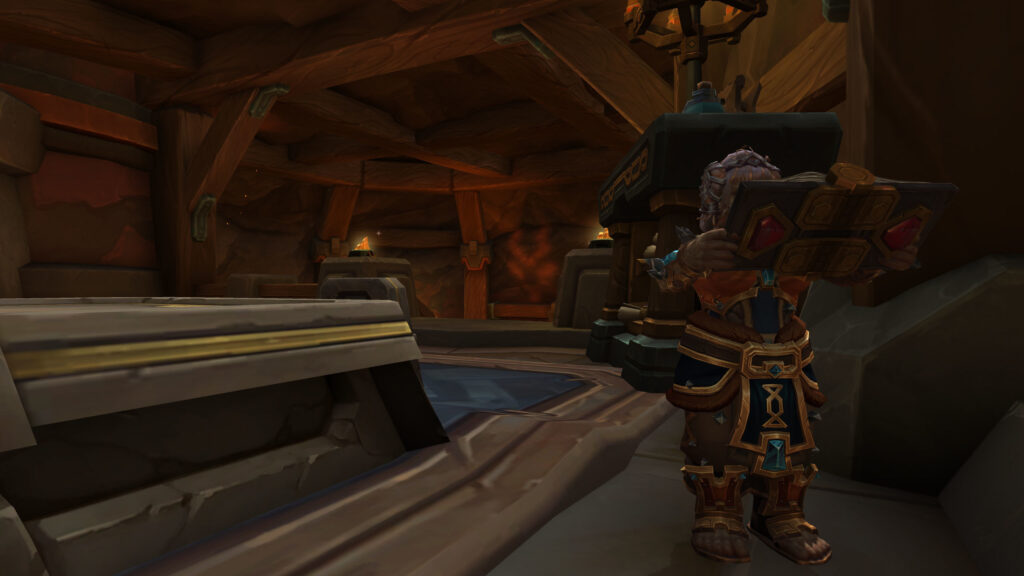
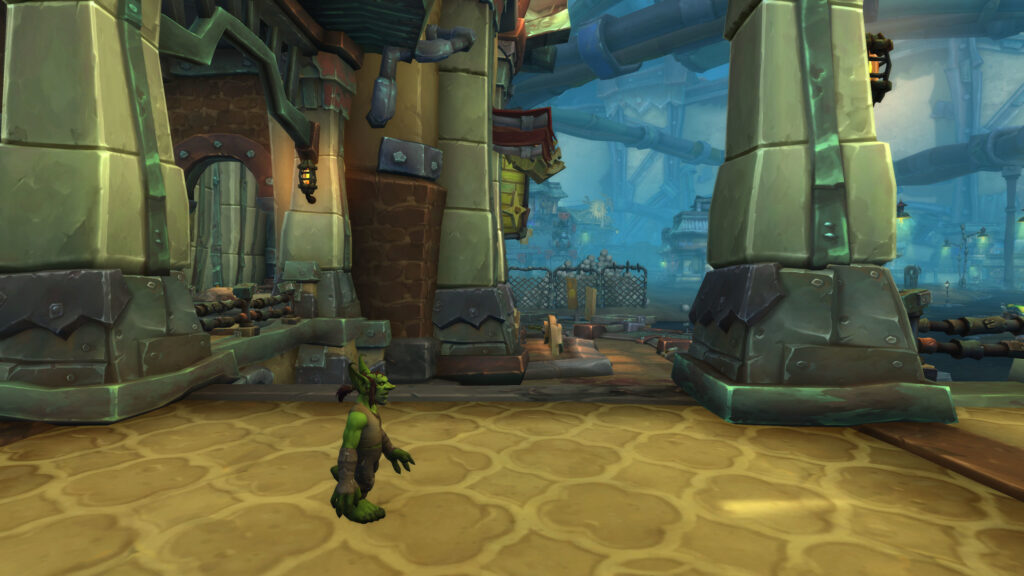
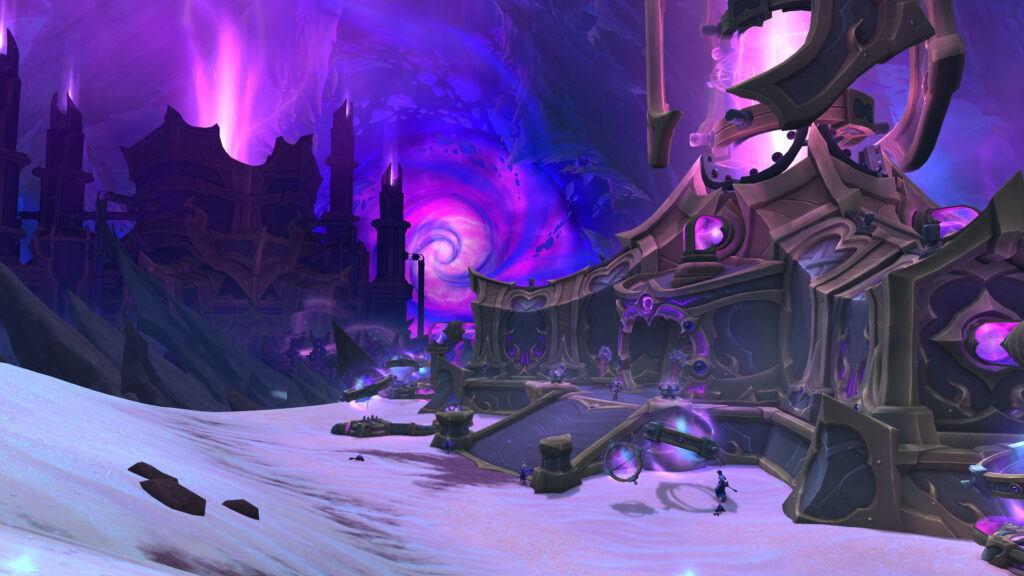
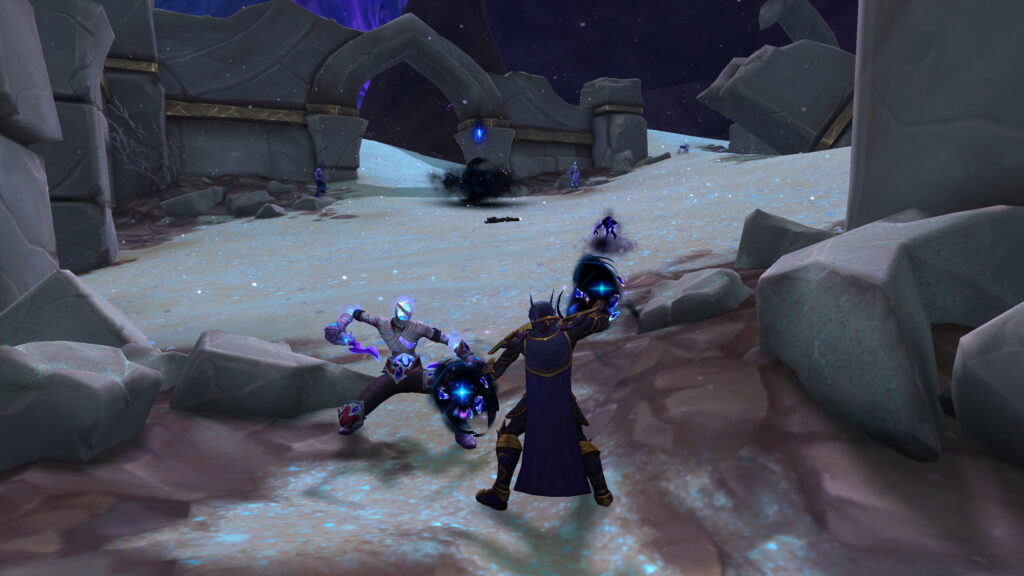
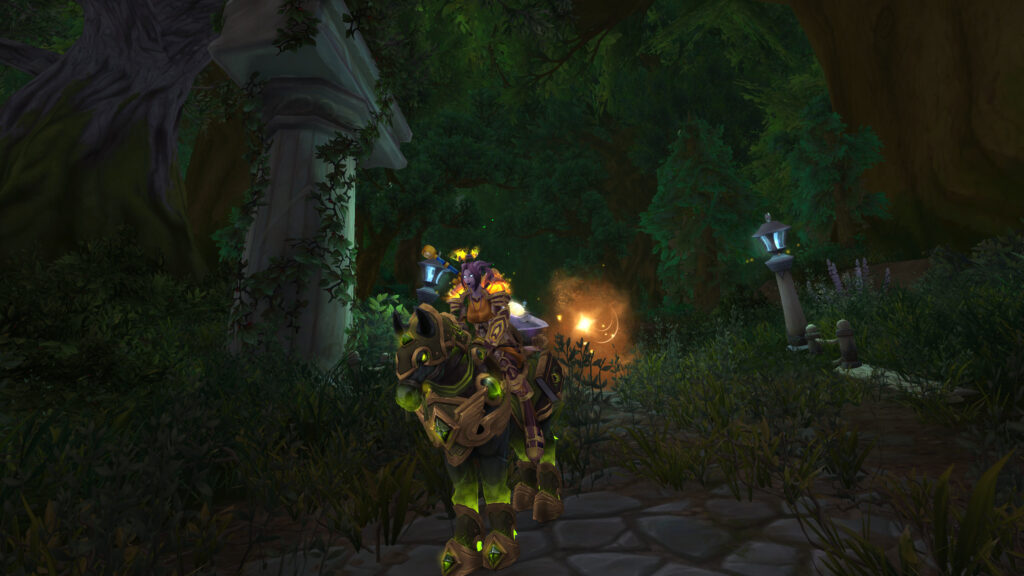
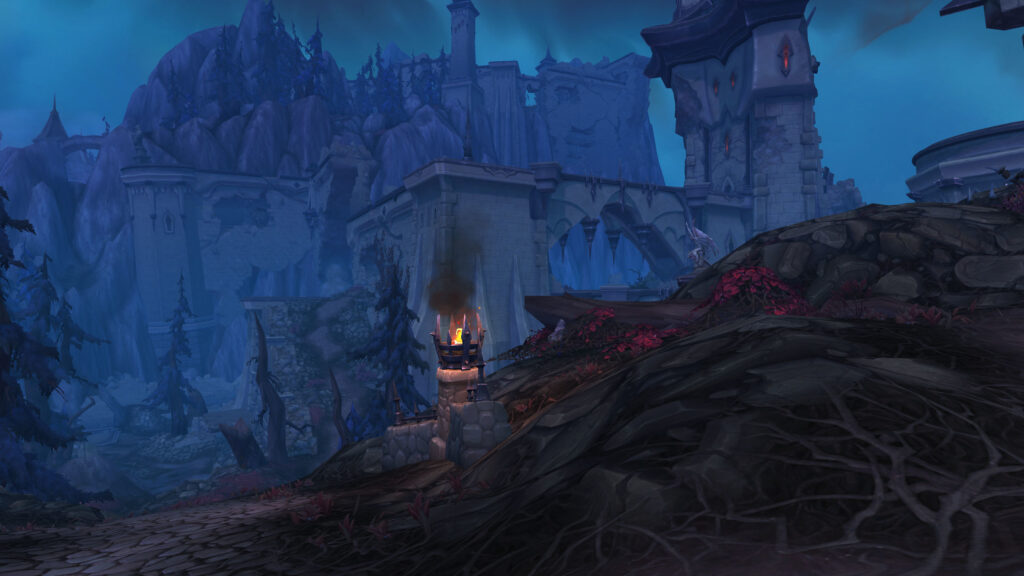
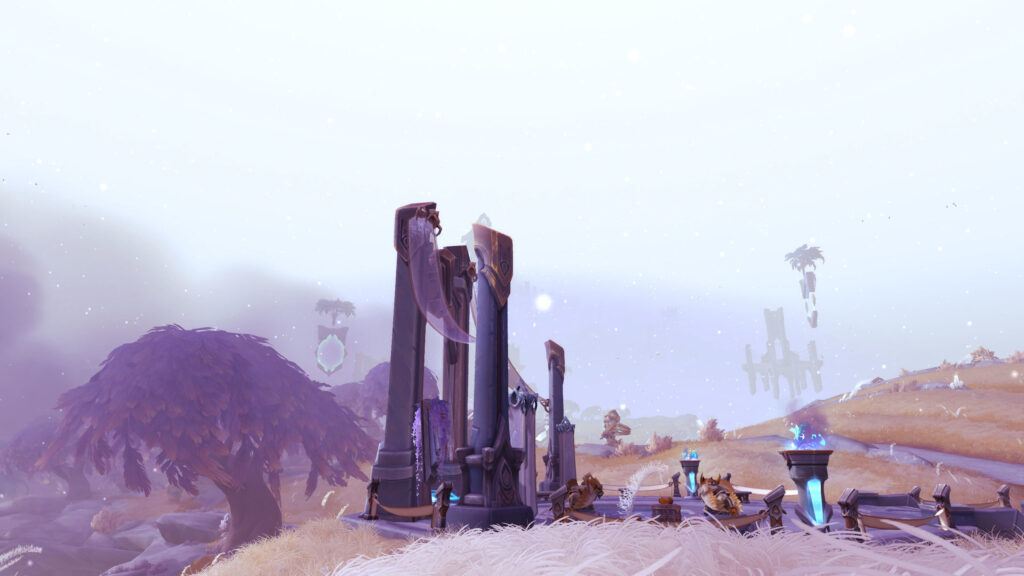
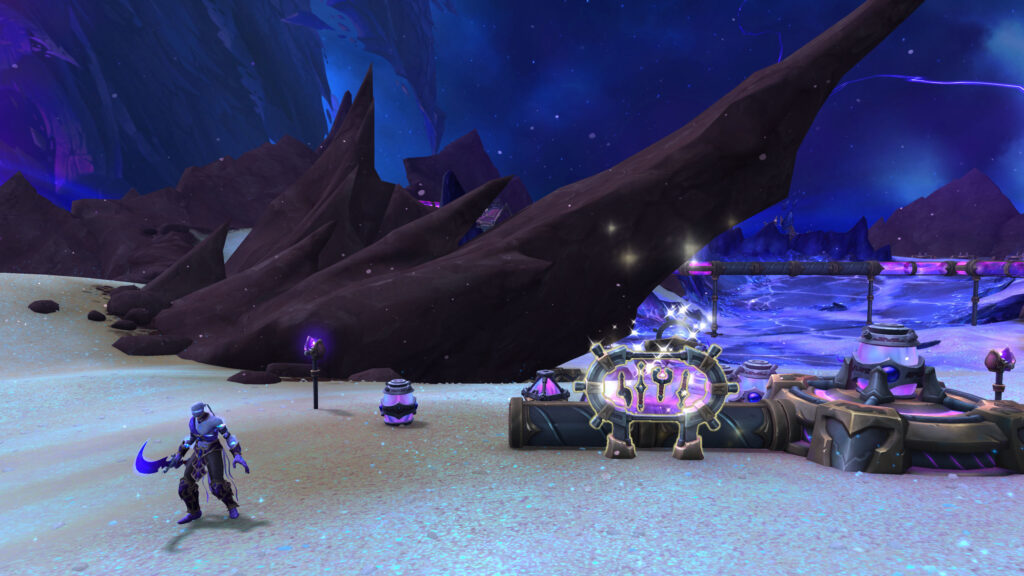
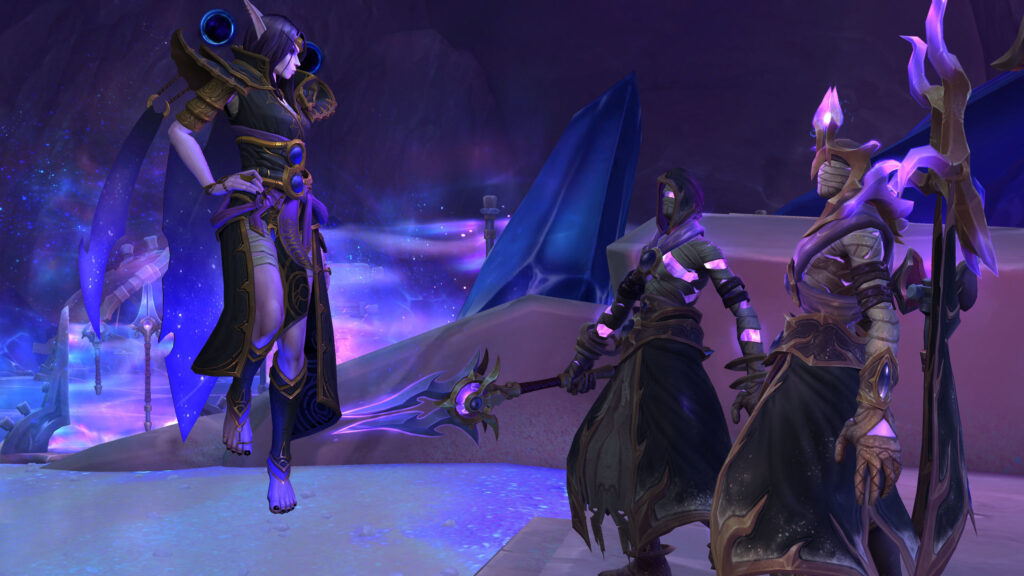
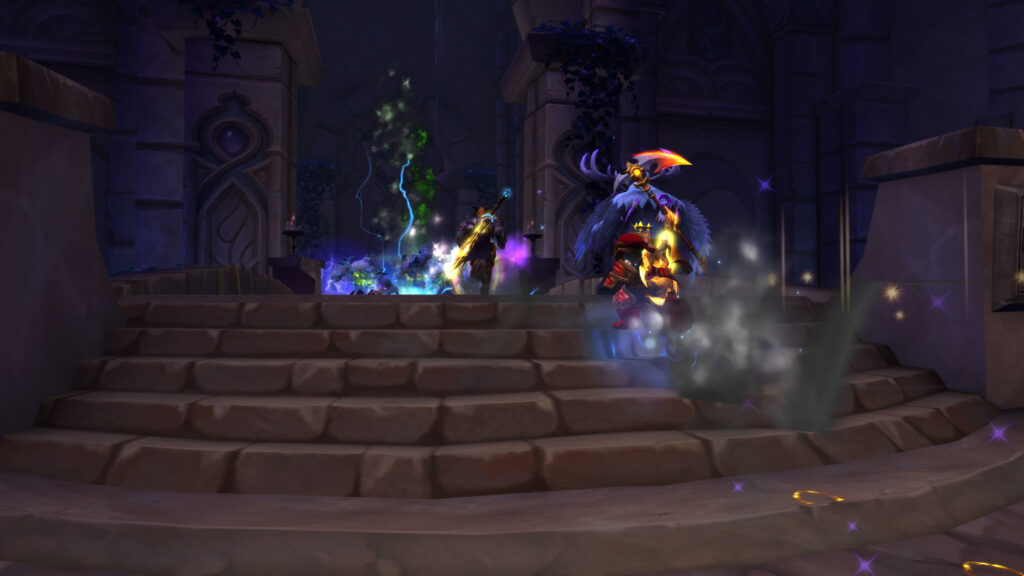
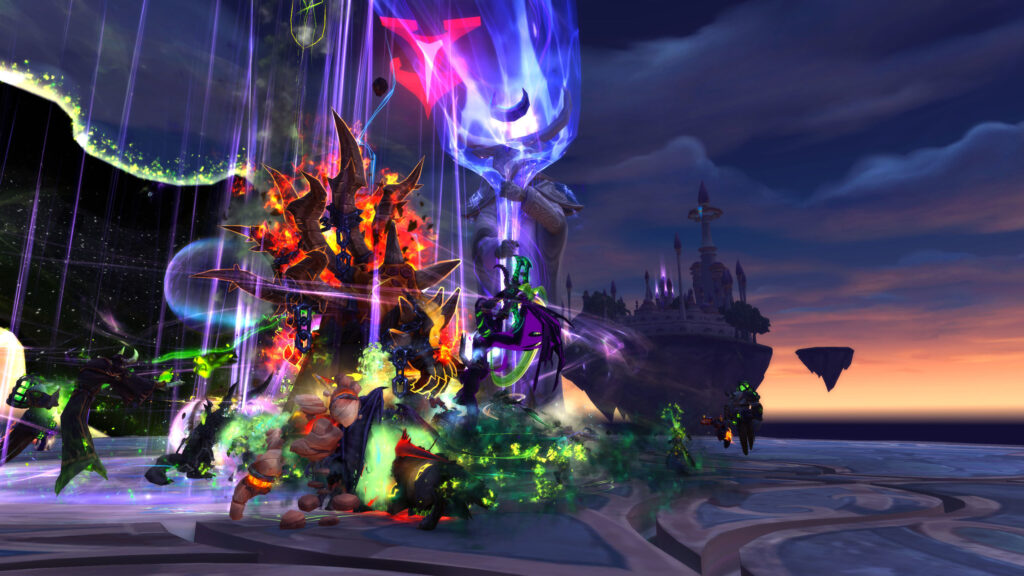
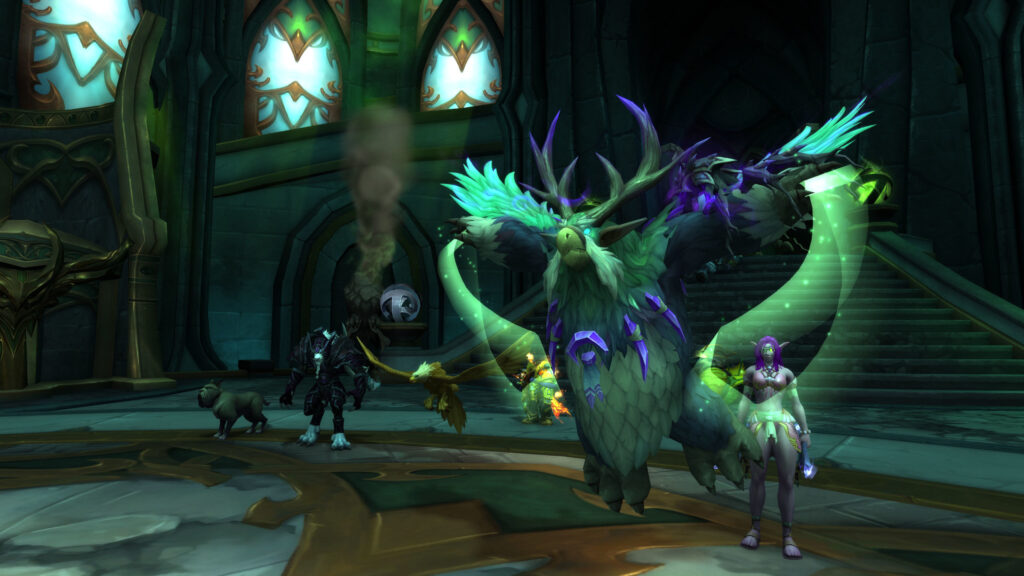
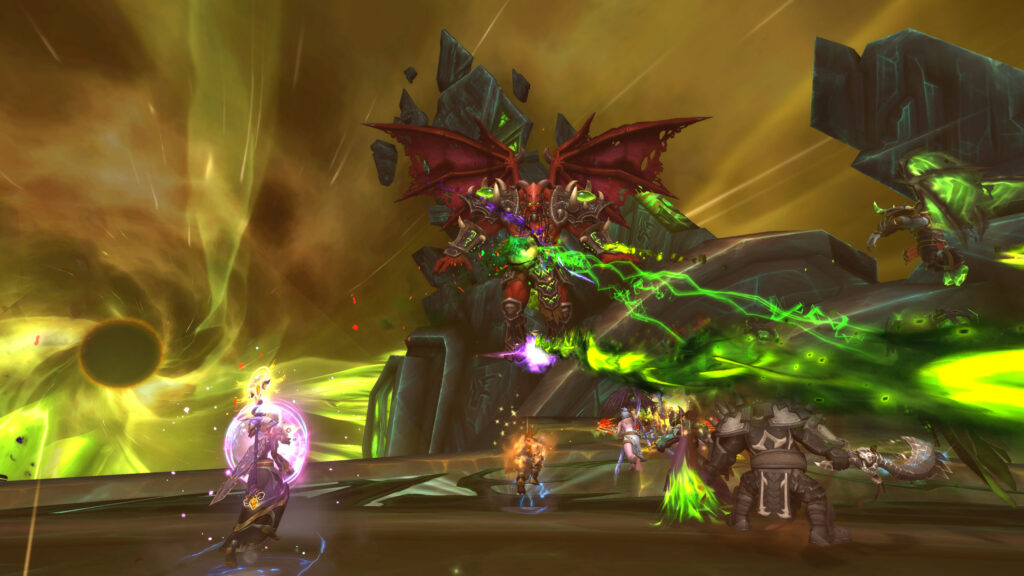
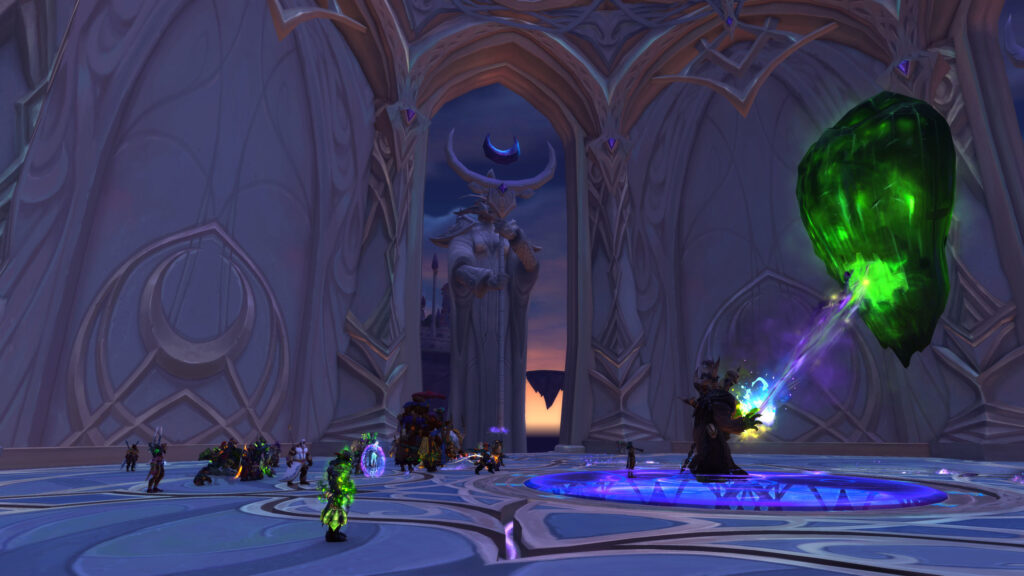
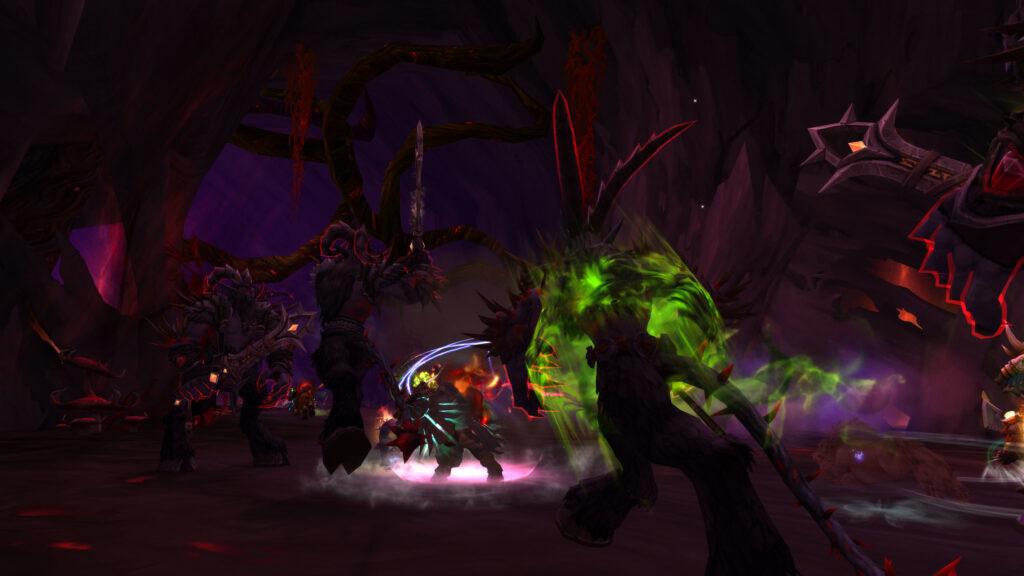
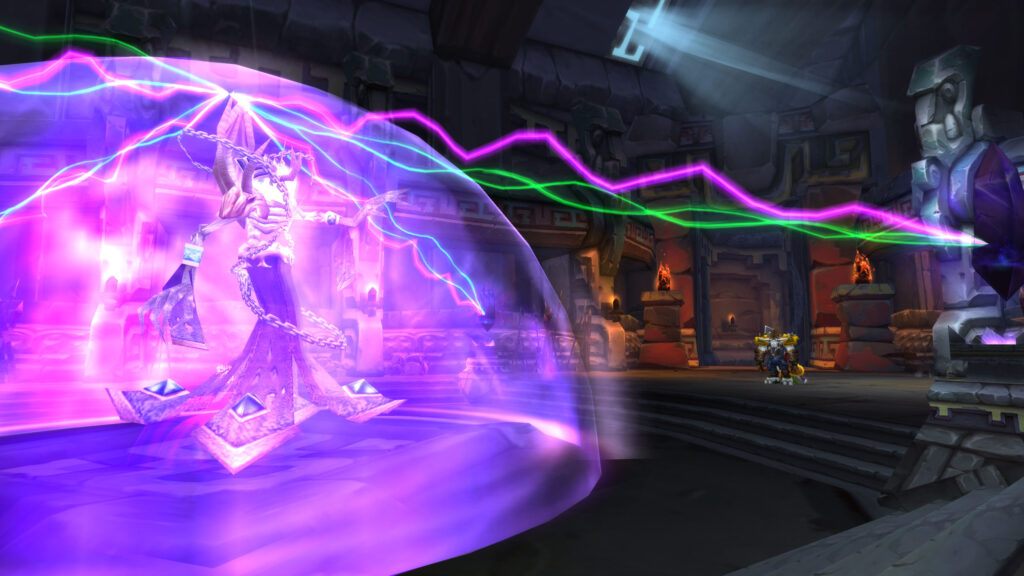
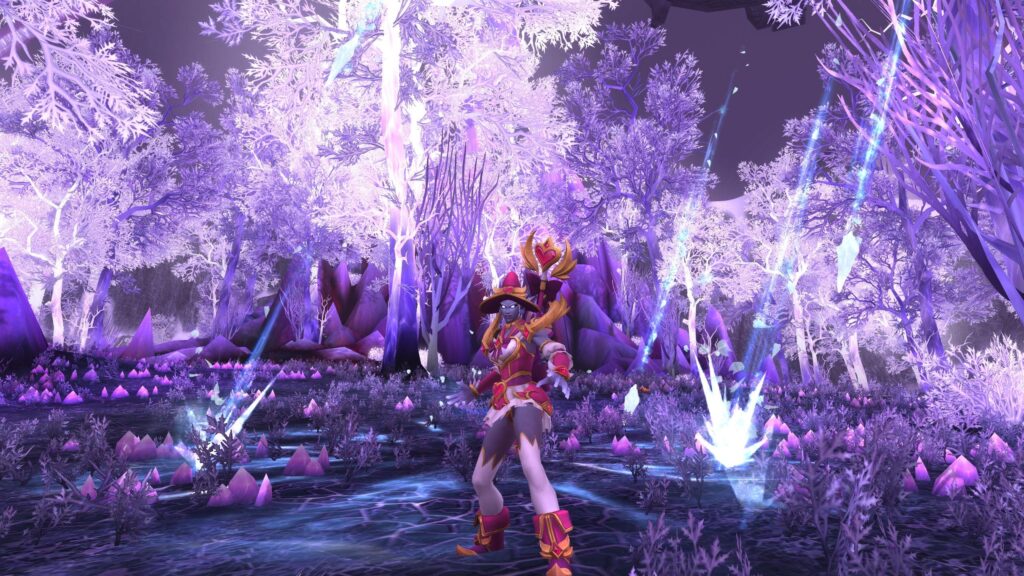
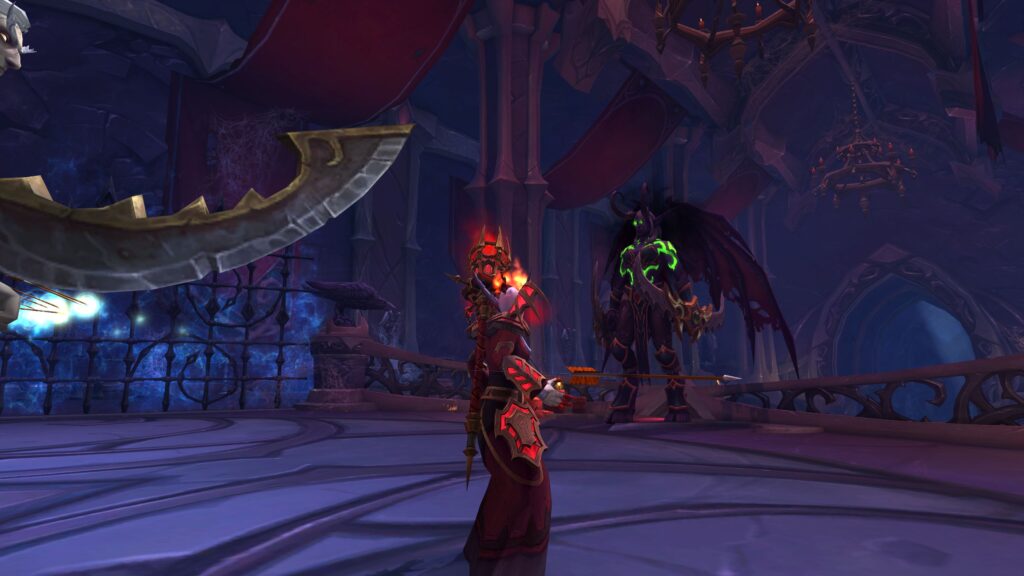
Dungeon design has increasingly emphasized visual clarity to support faster reactions and better survival. Clear telegraphs, readable enemy abilities, and distinct environmental cues allow players to process danger instantly rather than deciphering chaos.
This focus on clarity transforms difficulty from confusion-based failure into execution-based challenge.
The Cost of Visual Noise in High-Pressure Content
Visual clutter once turned dungeons into information overload. Overlapping effects obscured threats, making deaths feel unavoidable rather than instructive.
Reducing noise restores player agency and trust in encounter design.
Clarity as a Reaction Multiplier
Clear visuals shorten reaction time. When threats are immediately recognizable, players respond instinctively rather than hesitating.
This responsiveness directly translates into higher survival rates.
Design Elements That Improve Readability
Modern dungeons rely on consistent visual language to communicate danger.
Distinct ground effects with strong contrast
Clear animations signaling high-impact abilities
Consistent color usage for similar mechanics
Reduced overlap between friendly and hostile effects
These elements allow players to prioritize threats instantly.
Learning Through Visibility
Clear visuals improve learning curves. Players understand why they failed and adjust behavior on the next pull.
This feedback loop encourages improvement rather than frustration.
Impact on Group Coordination
When mechanics are visually readable, communication becomes more efficient. Players spend less time clarifying danger and more time executing solutions.
This strengthens coordination without increasing complexity.
Conclusion
Dungeon visual clarity plays a direct role in player reaction and survival. By prioritizing readability over spectacle alone, modern design supports skill expression, learning, and fair challenge, making dungeons demanding without being punishing.
Magic is a fundamental part of World of Warcraft, shaping the world, its inhabitants, and the conflicts that define Azeroth’s history. In WoW, magic is not just a tool but a deeply philosophical and ideological force.
From the disciplined arcane magic of the Kirin Tor to the chaotic and destructive fel magic of the Burning Legion, each school of magic represents a different worldview and approach to power. This article explores the philosophy of magic in Warcraft, examining how arcane, fel, and nature magic differ in their purposes, ideologies, and their impacts on Azeroth and its people.
Arcane Magic: Knowledge, Discipline, and Control
Arcane magic is the most structured and disciplined form of magic in World of Warcraft. It is based on deep knowledge of the universe’s fundamental laws and the mastery of these laws to harness the power of magic. Arcane magic is practiced by the Kirin Tor, the Highborne, and the Draenei, among others. It is the magic of intellect, study, and control, requiring immense discipline and focus to wield effectively. Those who use arcane magic seek to understand and manipulate the raw power of the universe without succumbing to its dangers.
The philosophy behind arcane magic is one of balance and control. Practitioners believe that magic must be studied, understood, and controlled to avoid its corruptive influence. Arcane mages view magic as a tool to advance knowledge and achieve great feats, but they also recognize the potential consequences of misusing such power, as seen in the downfall of the Highborne or the chaos caused by the unstable magic of Dalaran.
Control: Arcane magic emphasizes mastery over the forces of magic through understanding and discipline.
Knowledge: Practitioners of arcane magic believe that through study and knowledge, magic can be harnessed without danger.
Balance: The use of arcane magic requires a delicate balance between power and restraint to prevent corruption.
Fel Magic: Power Through Corruption and Chaos
Fel magic, by contrast, is the magic of chaos, corruption, and destruction. It is the magic of the Burning Legion, wielded by demons, warlocks, and corrupted races like the Orcs. Unlike arcane magic, which is based on control and discipline, fel magic is an unbridled force of raw power. It corrupts everything it touches, twisting minds, bodies, and entire civilizations in pursuit of domination and destruction.
The philosophy of fel magic is rooted in the belief that power is to be taken, not earned, and that the ends justify the means. Fel magic offers unparalleled strength, but at the cost of personal sacrifice, corruption, and eventual destruction. It is the magic of those who seek to dominate others, often using dark rituals, demonic pacts, and blood sacrifices to achieve their goals. Fel magic represents the seduction of unchecked power and the inevitable fall that comes with it.
Corruption: Fel magic is inherently corruptive, warping the mind and body of its practitioners.
Unrestrained Power: Fel magic represents the belief that ultimate power can be achieved through force and domination.
Self-Destruction: Those who wield fel magic often do so at the expense of their own humanity or sanity.
Nature Magic: Harmony, Healing, and Balance
Nature magic, practiced by druids, shamans, and the Night Elves, represents a completely different philosophy. It is the magic of balance, harmony, and healing, drawing on the life force of Azeroth itself. Nature magic is deeply connected to the land, the elements, and the cycle of life and death. It is the magic of renewal, restoration, and respect for the natural world.
The philosophy of nature magic is one of living in harmony with the world, respecting its cycles and maintaining balance. Nature mages believe that magic should not be wielded recklessly or for personal gain, but rather as a force to heal, protect, and maintain balance in the world. This philosophy reflects the worldview of the Night Elves, who see themselves as stewards of the natural world, as well as the Draenei and the elements worshipped by the Shaman.
Balance: Nature magic is centered around the idea of balance, both within the practitioner and between the forces of nature.
Healing: Nature magic is often used to heal the land and its creatures, promoting renewal and growth.
Respect for Life: Practitioners of nature magic view themselves as protectors of Azeroth’s natural world and seek to live in harmony with it.
Conclusion
In World of Warcraft, magic is more than just a tool — it is a philosophy, a force that shapes the world and the lives of its inhabitants. Arcane, fel, and nature magic represent three very different ideologies: control and knowledge, power and destruction, and balance and harmony.
Each school of magic reflects the values of the factions and races that wield it, and their differences have shaped the conflicts and stories of Azeroth for millennia. Understanding the philosophies behind each form of magic helps players appreciate the complexities of the game’s world and the forces that drive its ever-evolving narrative.
World of Warcraft’s introductory zones have long been a vital part of the game, offering new players their first experience of Azeroth’s rich world. These zones, which range from *Elwynn Forest* for Alliance players to *Durotar* for the Horde, not only introduce players to the basic mechanics of the game but also subtly guide them through the psychological aspects of MMO gameplay.
From learning how to interact with others to understanding progression, these zones lay the foundation for a player’s journey through WoW. This article delves into how WoW’s intro zones teach players the fundamentals of MMO psychology and why these early experiences remain essential to the game’s success.
The Power of First Impressions: How Intro Zones Shape Player Expectations
When players first step into Azeroth, they are greeted by introductory zones designed to ease them into the complexities of an MMO world. These early zones provide structured experiences that gradually introduce new mechanics, from basic combat to questing systems. The intro zones are crafted to be welcoming, ensuring players are not overwhelmed but can still engage with the core aspects of the game at their own pace.
Psychologically, this careful pacing helps players build confidence. By offering easily manageable tasks and clear goals, WoW’s intro zones guide new players through their first steps in a way that avoids frustration. These experiences set the tone for the rest of the game, establishing the expectation that the world will present challenges but also give players the tools they need to succeed. The gentle learning curve helps prevent the feeling of being lost, ensuring that new players feel competent as they begin their adventure.
Controlled Introduction: Intro zones provide manageable tasks that prevent players from feeling overwhelmed.
Confidence Building: By gradually increasing complexity, intro zones help players gain confidence in their abilities.
Clear Objectives: Players quickly learn how to complete tasks, giving them a sense of accomplishment early on.
Understanding Player Behavior: Social Interaction and Community Engagement
One of the key aspects of any MMO is its social component. In WoW’s intro zones, players are gently introduced to the concept of social interaction, both with NPCs and other players. These zones encourage players to engage with the game’s systems by giving them early exposure to cooperative gameplay. Whether it’s joining others for a quick quest or participating in a larger group event, the intro zones help foster a sense of community from the outset.
These early experiences are vital in shaping how players approach social aspects of MMOs. By learning the basics of group play, communication, and collaboration in the intro zones, players are more likely to carry these skills into the rest of their WoW experience. These early social interactions also help build the foundation for long-term player retention, as players begin to understand the value of teamwork and camaraderie in the larger world of Azeroth.
Teamwork: Intro zones encourage cooperative play, reinforcing the importance of working together in an MMO.
Social Skills: Players learn the value of communication and collaboration early in their WoW journey.
Community Engagement: Intro zones help players feel part of a larger community, increasing engagement and long-term retention.
Progression Psychology: How Intro Zones Teach Players to Strive for Growth
Progression is at the heart of World of Warcraft, and this is made clear in the intro zones. Players quickly learn that every quest completed, every monster slain, and every interaction is part of a larger journey of growth and improvement. Through well‑designed quest chains, players are encouraged to set goals, track progress, and experience the reward of leveling up. This constant feedback loop of achievement and growth taps into the core psychological principles that drive player engagement in MMOs.
Psychologically, the process of leveling and gaining new abilities creates a sense of accomplishment. By introducing progression early on in a player’s journey, WoW sets the expectation that improvement is a key part of the experience. The intro zones create a solid foundation of understanding that progression is rewarding, and it motivates players to continue exploring and developing their characters throughout the game.
Achievement Feedback: The completion of quests and the advancement of the player’s level system create a rewarding feedback loop.
Goal-Oriented Play: Players learn early on to set goals and measure their progress, driving continued engagement.
Growth and Development: The introduction to progression systems helps players understand the long-term journey of WoW.
Conclusion
WoW’s intro zones are much more than just tutorial areas; they are carefully crafted experiences that introduce players to the core psychological elements of MMO gameplay.
From building confidence to fostering social engagement and teaching the principles of progression, these zones set the foundation for a player’s journey through Azeroth. By gently easing players into the world of Warcraft, these zones play a crucial role in shaping how new players approach the game and how they perceive the world around them. Through thoughtful design, WoW’s intro zones teach players the fundamentals of MMO psychology, ensuring a more enjoyable and lasting experience in the world of Azeroth.
Starting a fresh Warrior in WoW Classic is exciting at first, but the excitement fades quickly once you realize how slow and painful the early gearing process can be. Unlike many other classes, Warriors feel weak without strong weapons and steady upgrades. Their damage is low, their rage generation is slow, and their survivability depends heavily on armor quality. When I created my new Warrior, I expected some difficulty, but not the kind that stopped me from joining groups or progressing through early dungeons.
Every pull felt slow, and every mob took too long to kill. My threat was bad when I tried to tank, and my damage was low when I tried to DPS. I checked the Auction House and saw upgrades that would fix these problems right away, but the prices were far higher than the gold I had. Even basic green items were selling for more than I could farm in a short session. I had limited time to play that week, and I knew that grinding mobs would not solve the gold problem fast enough. This pushed me to Buy WoW Classic Gold so I could skip the slow grind and start playing the Warrior the way it should feel. With extra gold, I could grab the upgrades I needed without waiting days to farm them.
Warrior Gear Problems at Early Levels
Warriors struggle more than almost any other class in WoW Classic when they are undergeared. Their entire kit depends on having strong weapons and decent armor. Without a good weapon, their damage feels like a slow drip, and their rage bar barely moves. Without proper armor, every pull feels dangerous, especially during leveling or early dungeon runs where you have no healer support. On my fresh Warrior, this weakness was obvious right away.
My sword felt weak, my damage was low, and even basic mobs took too long to kill. When I tried tanking, I noticed I could not hold threat against anyone who had proper gear. Players with better weapons easily pulled mobs off me, and I felt like I was dragging the whole group down. Classic Warriors do not have self-healing or strong defensive cooldowns at early levels, so weak gear makes them feel even worse. I knew I had to upgrade quickly if I wanted to enjoy the class. But when I checked the cost of weapons and armor, I realized that I could not afford the pieces I needed. This was the point where I understood that buying WoW Classic Gold was the fastest way to bring my Warrior up to a workable level.
Weapon Upgrades That Cost Too Much
A Warrior’s weapon is the most important part of the entire class. If the weapon is bad, everything feels weak. Damage drops, rage generation slows, and tanking becomes painful. When I reached the level where I needed a major weapon upgrade, I checked the Auction House and found several perfect choices—but the prices were far beyond what I had saved. Every strong leveling weapon, no matter the type, had a high price tag because Warriors and Rogues all compete for the same items.
Even green-quality weapons with decent stats were expensive because they made such a big difference in performance. I tried farming gold through quests, gathering, and killing mobs, but the progress was too slow. My weak weapon made farming slow, and my downtime was high because I needed to stop and eat after almost every fight. This created a loop where weak gear made farming slow, while slow farming kept me from buying better gear. Buying WoW Classic Gold broke that loop instantly. With enough gold, I bought a strong weapon that increased my damage right away. My rage generation improved, my kills sped up, and the entire class finally started to feel right.
Armor, Shields, and Defensive Tools
After fixing my weapon problems, the next obstacle was armor. Warriors take more hits than most classes because they have no self-healing at early levels and rely entirely on armor and shields to survive. When I inspected my gear closely, I realized most of it was outdated or had stats that did nothing for my class. Several pieces were cloth or low-level leather, and none of them provided the armor values I needed. Classic dungeons hit harder than many players remember, especially early ones with large packs or dangerous casters.
Without proper armor, even trash mobs could take huge chunks of my health bar. Tanks need solid shields too, and shields in Classic are expensive because they matter so much. When I visited the Auction House, the cost of mail and plate pieces shocked me. Even basic pieces meant for leveling cost far more than what I had saved. Trying to farm gold for them was too slow because my weak armor made it dangerous to pull more than one or two mobs at a time. Buying WoW Classic Gold allowed me to replace almost every weak piece in my kit. I picked up a proper shield, several armor upgrades, and pieces with strength and stamina that actually helped me survive. After that, dungeon tanking and leveling felt far smoother.
Consumables and Training Costs
Warriors in Classic pay more for consumables and training than most players expect. They need sharpening stones, weightstones, food for constant healing, potions for emergencies, bandages for downtime, and sometimes even stamina or strength buffs crafted by other professions. On top of that, Warrior training costs are high. Nearly every level brings new ranks for key abilities like Sunder Armor, Heroic Strike, Revenge, Thunder Clap, and Taunt. Each new rank costs gold, and there are many of them. When I checked my trainer, I saw a long list of skills I still needed. Missing them made my rotation weaker, and my threat generation suffered during dungeon pulls. Consumables were another major drain. Sharpening stones made my weapon hits stronger, but they required materials. Food buffs helped a lot, but good versions cost gold. Potions were expensive because demand was high from other players. Trying to farm enough gold for all these costs would have taken hours of slow grinding. Buying WoW Classic Gold solved all of these issues instantly. I learned every missing skill rank, bought stacks of consumables, and restocked on everything I needed to keep my Warrior strong and efficient during runs. With these upgrades covered, my gameplay became smoother, and I stopped wasting time recovering after every fight.
Here is an example table showing how different areas drain gold for Warriors in WoW Classic:
Example Warrior Prep Cost Table (Illustration Only)
Category
Gold Drain Level
Why It Costs Gold
Weapon Upgrades
Very High
Essential for damage and rage generation
Armor + Shields
High
Needed for tanking and survivability
Spell Training
High
Many new ranks at early and mid levels
Consumables
Medium–High
Stones, potions, food buffs, bandages
Repairs
Medium
Warriors take frequent hits and lose durability
How Buying WoW Classic Gold Fixed Everything
Buying WoW Classic Gold changed the entire experience of gearing my fresh Warrior. Instead of spending days farming mobs for a few silver per kill, I completed my gearing in one evening. The extra gold allowed me to buy a strong weapon, upgrade almost every armor slot, and pick up a sturdy shield for tanking. I learned all missing spell ranks that improved my rotation and threat generation. I bought stacks of consumables so I no longer had to worry about running out of sharpening stones or food buffs during long sessions. Repairs were also easier to handle because I now had enough gold to keep my gear in perfect condition. Most importantly, the class finally felt fun. With better gear and consumables, I could handle bigger pulls, clear quests faster, and perform well in dungeons. My group noticed the difference right away because my threat was stronger and my damage was higher. Buying gold did not just speed up the process—it turned the class into what it was meant to be without the painful slow grind. This saved me time and gave me a smooth start that would have taken weeks otherwise.
Here is a list of what I purchased with the extra gold to complete my Warrior setup:
Introduction.Legion Remix offers players two main paths to success: structured PvE progression through raids and dungeons, or a more casual route focused on world content, exploration, and collectibles. Both paths lead to powerful rewards, but each appeals to a different playstyle. Choosing the right approach determines not only how fast you grow your Infinite Power but also how much you enjoy the event overall.
This guide compares the PvE and casual progression routes in Legion Remix, outlining their pros, challenges, and best use cases to help you decide which path suits your goals.
PvE Route: Structured, Challenging, and Rewarding
The PvE route in Legion Remix revolves around high-efficiency activities: raids, Timeworn Keystone dungeons, and event challenges. Players following this path aim for maximum Infinite Power growth and endgame scaling as quickly as possible. It’s ideal for those who thrive on coordination, consistent goals, and competitive progression.
Core Activities: Raids (The Nighthold, Tomb of Sargeras, Antorus), Timeworn Dungeons, and Obelisk Challenges.
Main Rewards: Tier gear, exclusive mounts, Infinite Power caches, and the highest Bronze-per-hour yields.
Best For: Players who enjoy teamwork, optimization, and steady scaling through structured systems.
Advantages: Rapid character scaling, access to rare cosmetics, and consistent Power growth. However, it demands regular scheduling and familiarity with raid mechanics.
Casual Route: Relaxed, Exploratory, and Self-Paced
For players who prefer freedom and flexibility, the casual route focuses on world quests, Invasions, campaign content, and open-world exploration. It’s less about min-maxing and more about enjoying the event’s world while still earning steady rewards.
Core Activities: World Quests, Heroic World Tier events, Campaign chapters, and Treasure Hunts.
Main Rewards: Bronze caches, housing decor, transmog ensembles, and moderate Power tokens.
Best For: Players who enjoy solo play, collecting, and slower but consistent progress.
Advantages: No strict time commitments, relaxed pacing, and more variety. The downside is slower scaling compared to PvE-focused play.
Comparing the Two Playstyles
Both routes offer viable paths to success depending on your goals. The table below highlights their differences in terms of rewards, difficulty, and efficiency:
Category
PvE Route
Casual Route
Power Growth
Very Fast (High Power Tokens & Scaling Buffs)
Moderate (Steady from Quests & Events)
Bronze Income
High (Raids & Timeworn Dungeons)
Medium (World Content & Treasures)
Time Commitment
2–3 Hours per Session
Flexible / Self-Paced
Content Type
Group-Oriented
Solo or Small Group
Mounts & Cosmetics
Exclusive Raid/Challenge Rewards
Bronze Shop & Campaign Unlocks
Your decision should depend on what motivates you: fast scaling and structured goals, or relaxed exploration and creative collection building.
Hybrid Approach: The Best of Both Worlds
Many players combine both playstyles for optimal progression. For example, you might run raids and Timeworn Dungeons early in the week for Power, then spend the rest of your time on world quests and campaign content to collect cosmetics. This balanced approach prevents burnout and keeps gameplay diverse.
Using the Warband system, you can even assign different characters to each route—one focused on PvE farming and another on casual exploration. Both contribute to shared Infinite Power and Bronze pools, ensuring your progress continues regardless of playstyle.
Tips for Choosing the Right Path
Know Your Goals: If you want powerful gear and titles, go PvE. If you prefer variety and creativity, take the casual route.
Balance Your Time: Try a few days of each to see which keeps you more engaged long-term.
Watch for Event Weeks: Some Remix events favor one route—Infinite Surge weeks are perfect for PvE, while Bronze Windfall weeks reward casual players.
Use Alts Strategically: Split your Warband into roles to benefit from both paths simultaneously.
Legion Remix offers flexibility for every player type—your route is as dynamic as your goals.
Conclusion
Whether you dive into structured PvE or enjoy the laid-back pace of casual exploration, Legion Remix rewards both commitment and curiosity. The event’s systems are designed to support every type of player, making it easy to progress at your own rhythm.
Choose the route that fits your mood and time, or mix both for a balanced and enjoyable experience. In Legion Remix, there’s no wrong path—only the one that keeps you excited to log in tomorrow.
Introduction.Timeworn Keystone Dungeons in Legion Remix bring back one of Legion’s most defining systems—affixes and modifier mechanics. These rotating challenges change how enemies behave, how you plan your pulls, and how teams coordinate each week. Understanding how affixes work, how to adapt to them, and how to exploit their mechanics to your advantage can turn difficult dungeons into fast, efficient Bronze and Power farms. Mastering affixes is the difference between chaos and control.
This guide breaks down how affixes function in Timeworn Dungeons, how they scale with difficulty, and how to use them strategically to dominate every run you attempt.
What Are Affixes and Why They Matter
Affixes are rotating modifiers that add unique twists to Timeworn Dungeons. Each week, specific affixes change enemy behaviors or introduce environmental effects that force teams to adapt. These modifiers don’t just make runs harder—they make them more dynamic. Learning how to anticipate affixes and adjust your strategy improves efficiency, survivability, and completion speed, all of which directly impact your Bronze and Infinite Power earnings.
While some affixes increase challenge through mechanics like extra mobs or zone-wide damage, others reward smart play by offering scaling opportunities, such as bonus Power gains for defeating empowered foes quickly.
Understanding the Affix System in Legion Remix
Timeworn Keystone Dungeons use a rotating pool of affixes that scale with dungeon difficulty. At lower keystone levels, only one affix is active. As difficulty rises, additional layers are added, creating more complex scenarios. Each combination demands coordination and quick adaptation, particularly in Heroic and Mythic versions of Timeworn content.
Unlike the original Mythic+ format, Remix affixes are slightly simplified to accommodate the event’s pacing and accessibility. They remain challenging but are tuned to reward quick, strategic decisions rather than punishing errors harshly.
Common Affixes and How to Handle Them
Understanding how to manage affixes is crucial for smooth dungeon clears. Here are some of the most common modifiers you’ll encounter and practical tips for dealing with them effectively:
Affix
Effect
Strategy
Bolstering
Enemies buff nearby allies when they die
Focus-fire enemies to ensure even deaths and prevent chain buffs
Sanguine
Enemies leave damaging pools on death
Use displacement and crowd control to reposition quickly
Volcanic
Spawns fire zones under players at range
Stay mobile, avoid stacking, and maintain awareness
Explosive
Orbs appear that detonate if not destroyed
Assign ranged DPS to handle orbs quickly between pulls
Bursting
Killing enemies releases stacking damage debuffs
Stagger kills and use defensive cooldowns between waves
Learning how each affix interacts with your class abilities turns potential threats into manageable mechanics that can even accelerate your runs when handled efficiently.
Team Coordination and Role Responsibilities
Affixes test group synergy as much as individual skill. Tanks must control positioning to mitigate environmental effects, while healers balance incoming group damage against debuffs. DPS players carry the responsibility of clearing secondary mechanics such as explosives or interrupts. Communication—whether through voice chat or pings—remains your most valuable tool. Assigning clear roles before the dungeon begins eliminates confusion once combat starts.
For solo players tackling lower keystone levels, it’s vital to plan defensive cooldowns in advance. Positioning and timing matter far more when you can’t rely on teammates to compensate for mistakes.
Using Affixes to Your Advantage
Not all affixes are purely punishing. Some create openings for creative strategies. For example, Bolstering can be used to intentionally empower manageable enemies before executing big AoE bursts, maximizing Power gains. Similarly, Sanguine zones can be exploited to trap mobs temporarily if your group controls positioning correctly. High-level Remix players often use affix interactions to shave seconds off their runs by aligning cooldowns and damage windows with modifier effects.
Understanding these synergies separates casual clears from optimized farming. The best players don’t just react to affixes—they leverage them.
Conclusion
Affixes define the rhythm and challenge of Timeworn Keystone Dungeons in Legion Remix. They transform static encounters into strategic puzzles that reward planning, awareness, and teamwork.
By learning their effects, anticipating rotations, and adapting your tactics, you’ll not only survive tougher runs—you’ll thrive in them. The key to mastery isn’t avoiding affixes but using them as stepping stones to greater efficiency and faster Bronze and Power farming.
Introduction. The Artifact Weapon system lies at the heart of Legion Remix. Each weapon evolves through Infinite Power, unlocking traits that drastically shape your playstyle and overall efficiency. But some trait combinations stand above the rest—synergizing so effectively that they turn ordinary builds into unstoppable powerhouses. These combinations aren’t just strong; they redefine how certain classes perform, cutting through raids, dungeons, and world content with unmatched precision. Understanding these “overpowered” pairings gives you a real advantage in both solo and group play.
This article explores the most dominant Artifact trait combinations across multiple classes, explains why they work so well under Remix’s scaling rules, and offers insights on how to exploit them for maximum damage, survivability, and Bronze efficiency.
Understanding How Trait Synergy Works in Remix
Legion Remix modifies the original Artifact progression by allowing traits to scale infinitely through Infinite Power. This means that the deeper you invest, the stronger each synergy becomes. Traits that once offered minor bonuses in original Legion can now grow exponentially, stacking multipliers far beyond their intended caps. Because of this, Remix encourages experimentation—unlocking a trait isn’t the end, but the beginning of optimizing combinations.
The most powerful setups tend to combine traits that feed into each other’s scaling. For example, one trait may increase crit chance, while another amplifies crit damage. When multiplied through Infinite Power, their combined output becomes overwhelming. The trick lies in identifying these feedback loops before committing all your Power into random upgrades.
Traits That Dominate Across All Classes
Some traits appear universally strong due to their broad effects. These traits often provide raw stats, damage multipliers, or resource regeneration bonuses that affect every spec. Traits like Concordance of the Legionfall, Infusion of Light, and Master of Shadows scale especially well under Remix’s rules because their percentage-based benefits keep improving endlessly. The more Infinite Power you feed into them, the more disproportionate their returns become.
Stacking these general traits gives a foundation of consistency and allows specialized traits to amplify your strength even further. In high-end Remix content—like Timeworn Keystone Dungeons or Antorus Raids—players using these scaling traits often outperform others by wide margins, especially when paired with short-cooldown damage bursts or self-healing loops.
Examples of Overpowered Trait Synergies
Let’s look at specific combinations that define the Remix meta. Each of these setups leverages compounding effects to push classes far beyond their original Legion balance.
Havoc Demon Hunter – Anguish of the Deceiver + Fury of the Illidari: Both traits stack raw AoE burst potential. The more Fury spent, the faster they reset, leading to near-constant damage spikes in group content.
Retribution Paladin – Highlord’s Judgment + Wrath of the Ashbringer: In Remix, these traits scale exponentially with crit and haste bonuses from Infinite Power, resulting in absurdly fast holy damage bursts during cooldown windows.
Beast Mastery Hunter – Jaws of Thunder + Pack Leader: This synergy converts every pet crit into chained attacks, effectively turning your companion into a machine gun of sustained DPS.
Feral Druid – Ashamane’s Bite + Bloodtalons: Continuous bleeds scale with Infinite Power, while every finisher refreshes damage-over-time effects, creating endless uptime and lethal consistency.
Shadow Priest – Void Corruption + Surrender to Madness: When timed correctly, these traits amplify Voidform damage beyond reason. In Remix’s scaling system, this burst can obliterate bosses before mechanics even begin.
These examples demonstrate how Remix transforms simple percentage boosts into devastating synergies. The more traits unlocked, the stronger the feedback loop becomes, often trivializing entire encounters when properly executed.
Why Infinite Power Exaggerates Trait Strength
Infinite Power fundamentally alters how traits interact. In regular Legion, players hit hard caps that prevented runaway scaling. In Remix, those limits are gone. Each Power upgrade multiplies existing trait bonuses rather than adding linearly, which means the difference between a player with 20 Power levels and one with 50 can feel like a different game entirely. When two or three multiplicative traits interact, their combined result can exceed Blizzard’s original balancing assumptions by hundreds of percent.
Because of this, even defensive or support traits can become unexpectedly powerful. Healing-over-time effects scale faster, shield traits regenerate almost instantly, and hybrid specs like Paladins or Shamans can deal raid-level damage while keeping allies alive. This system rewards deep specialization—focusing on a few synergistic paths rather than spreading Power across the entire tree.
Balancing Your Build Around Power Growth
While it’s tempting to chase every trait, restraint often yields better results. Focus on traits that enhance your core strengths. For DPS players, prioritize multiplicative damage traits; for tanks, stack self-healing and mitigation traits; for healers, seek those that shorten cooldowns or enhance passive regeneration. The best builds in Remix share a common principle: consistency over variety. Maxing one feedback loop produces better returns than dabbling in several unrelated bonuses.
Furthermore, the Warband system allows you to test different builds across multiple characters. Experiment on alts to identify the most rewarding trait synergies before committing Infinite Power on your main. This approach minimizes waste and ensures your Power curve remains steep throughout the event.
Conclusion
Legion Remix gives Artifact traits a second life—and for many classes, an entirely new level of dominance. By combining synergistic traits and exploiting Infinite Power’s exponential scaling, players can achieve extraordinary results, rivaling full raid groups with a single character.
The key lies in understanding feedback loops, choosing specializations that complement your playstyle, and focusing Power investment where it multiplies most effectively. In the Remix event, knowledge truly is power—and mastering trait synergy is the ultimate expression of it.
Ever since Blizzard re-released World of Warcraft: Classic, the community has been split between two very different experiences. Retail WoW offers modern graphics, streamlined systems, and faster content cycles, while Classic provides a slower, more punishing, and nostalgic take on the MMORPG genre. But why do many Classic fans completely avoid the retail version, even with its convenience and features? The reasons are layered in gameplay philosophy, community culture, and even emotional connection.
The Core Differences That Matter
Retail and Classic diverge in philosophy. Retail emphasizes accessibility, with group finders, cross-realm zones, and queueable content. Classic prioritizes social interaction, server identity, and slower progression. For many players, the friction and downtime in Classic are features, not bugs—it feels more like a living world than a content checklist. Retail’s convenience can feel like it removes the soul of the game.
Top Reasons Classic Fans Avoid Retail
Too Fast-Paced: Levels fly by, and gear is replaced constantly.
Disconnected Community: LFG systems reduce the need for communication.
Overload of Systems: Borrowed power, currencies, and temporary grinds frustrate players.
Loss of Danger: Open world threats feel irrelevant compared to Classic’s risks.
Too Many QoL Features: Convenience replaces adventure for some players.
Community Identity: Then vs. Now
In Classic, your server matters. Players build reputations, guilds mean something long-term, and word-of-mouth can impact your gameplay experience. In retail, cross-realm everything blurs that identity. You rarely see the same player twice in dungeons or battlegrounds. For Classic veterans, this makes the social structure feel hollow in retail, and many miss the accountability and relationships formed in older versions.
Retail’s Strengths—and Why They Still Don’t Win Over Classic Fans
Retail Feature
Classic Fan Critique
Mythic+ Dungeons
“Too competitive and time-focused.”
World Quests
“Feels like a mobile game chore list.”
Borrowed Power Systems
“I hate losing everything each patch.”
Group Finder Tools
“Nobody talks or cooperates anymore.”
Emotional Connection to the Past
Many Classic players aren’t just in it for the mechanics—they’re reliving a part of their life. The sense of wonder, fear of the unknown, and shared server events are difficult to replicate. Retail WoW’s constant changes and new systems can feel disorienting to those who prefer a static, familiar experience. For them, Classic offers a chance to relive their ideal version of WoW, unchanged and preserved like a museum piece they can still explore.
Conclusion: Not a War, Just a Preference
The divide between Classic and Retail players isn’t necessarily hostile—it’s about preference. Classic fans avoid retail because they value permanence, community, and a slower pace. Retail is designed to entertain in shorter, more efficient bursts. Blizzard continues to support both because both serve different audiences, and perhaps that’s what makes WoW’s legacy so powerful: there’s a version for everyone, even if not every player embraces both.
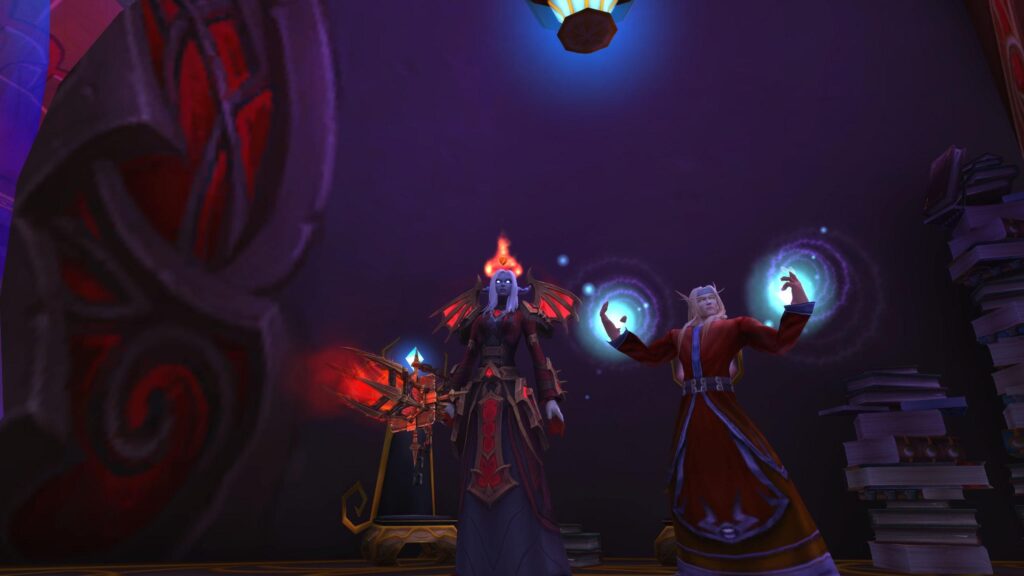
Mysterious mage, your journey jolts into action as you venture into the vastness of arcane knowledge, searching for the keys to artifact weapons that wield untold power. You’ve studied the scrolls, deciphered the runes, and now you stand at the precipice of the past’s best-kept secrets.
These ancient relics aren’t mere tools but partners in spell-casting, each with a story etched into its essence, waiting for the right wielder to awaken its full potential. As you chart a course through forgotten vaults and hidden chambers, remember that the arcane does not yield its treasures lightly.
You’ll need more than just spells at your fingertips—you’ll need the insight of those who’ve walked this path before. What secrets will your artifacts reveal, and how will they shape your mastery over the arcane arts? The threads of fate are in your hands, ready to weave a new chapter in the annals of magic.
The Lore of Artifacts
Delving into the lore of artifacts, you’ll discover that these powerful weapons each carry a history steeped in the magic and mythos of Azeroth. As a dedicated mage of the Kirin Tor, you’re aware that an artifact isn’t just a mere tool for casting spells like Living Bomb. It’s an extension of your will, a repository of ancient wisdom and a symbol of the unyielding quest for knowledge that defines your order.
These artifacts were forged in the crucible of Azeroth’s most tumultuous epochs, shaped by the hands of legendary craftsmen and infused with the raw, untamed energies of this world. They’ve been wielded by heroes and villains alike, each leaving an indelible mark upon the weapon’s essence. As you bond with your artifact, you’ll unlock the echoes of its storied past, allowing you to harness powers that have shaped the fate of empires.
Your journey to uncover these hidden appearances will test your resolve, but remember, you’re not simply hunting for new aesthetics. You’re reviving ancient powers and carrying forward the legacy of the Kirin Tor. Don’t falter in your pursuit; these artifacts are as alive as the spells you so masterfully cast, yearning for a worthy mage to unlock their full potential.
Locating the Arcane Vaults
As you venture through the Broken Isles, you’ll often find yourself in search of the elusive Arcane Vaults, repositories of magical power that are crucial in enhancing your artifact’s might. The journey to unlock your hidden mage artifact weapon appearance, specifically for the Arcane specialization’s Aluneth, takes you across these mystical lands, each vault holding a piece of the puzzle.
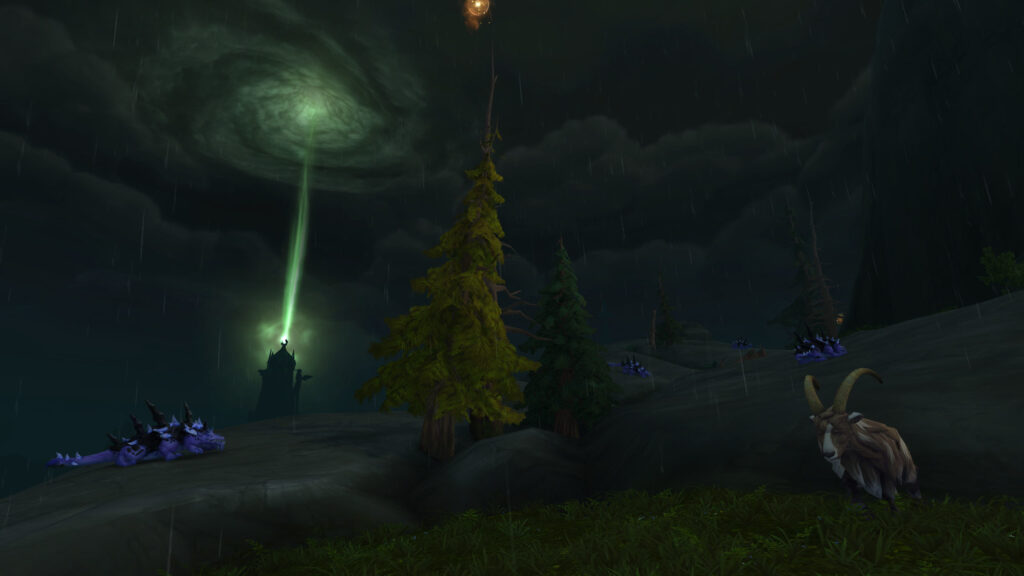
First, you’ll need to use Polymorph on five specific creatures scattered across the Isles. Keep an eye out for the Cliffwing Hippogryph in Azsuna, the Wild Dreamrunner in Val’sharah, the Highpeak Goat in Highmountain, the Plains Runehorn Calf in Stormheim, and the Heartwood Doe in Suramar.
Then, you’re in for a bit of explosive fun. Check the Hall of the Guardian daily for a Volatile Sheep. When it appears, right-click it until it goes boom. In Stormheim, seek out an Extremely Volatile Stormheim Sheep to do the same.
Deciphering Ancient Spelltexts
To unlock the secrets of your artifact’s power, you’ll need to master the art of deciphering ancient spelltexts scattered throughout the Broken Isles. These texts are the remnants of a long-gone era, brimming with magical potential. They don’t just reveal themselves to anyone; you’ll need to have a keen eye and a deep understanding of arcane lore.
Start by visiting the locations known to house these texts. You’re looking for runes that shimmer with arcane energy, often hidden in plain sight or tucked away in forgotten corners. Once you’ve found a spelltext, the real work begins. You must translate the ancient language, a task that requires patience and scholarly expertise. Don’t be surprised if it takes several attempts to get it right.
The deciphered texts will lead you to rituals and incantations necessary to unlock your artifact’s hidden abilities. Remember, it’s not just about reading the words but also about understanding their deeper meanings. You’ll be channeling magic that has been dormant for centuries, so treat it with the respect it deserves.
Each successful translation brings you closer to wielding the full might of your artifact. Stay diligent, and soon you’ll command powers that many mages can only dream of.
The Rituals of Conjuration
In the realm of conjuration, you’ll discover that summoning entities and objects requires precise rituals and a deep understanding of ancient incantations. To unlock the Woolomancer’s Charge, a hidden appearance for the Arcane Mage artifact Aluneth, you must engage in a series of tasks steeped in the arcane arts.
Start by using Polymorph on five specific creatures across the Broken Isles. Your targets: Cliffwing Hippogryph in Azsuna, Wild Dreamrunner in Val’sharah, Highpeak Goat in Highmountain, Plains Runehorn Calf in Stormheim, and Heartwood Doe in Suramar. Then, turn your attention to the class order hall to blow up a Volatile Sheep. Your task doesn’t end here; in Stormheim, seek out an Extremely Volatile Stormheim Sheep and repeat the explosive ritual.
Your journey leads you to Elwynn Forest to confront Cote Shepherd Metcalf. Witness his dialogue with Theocritus, engage in a sheep-slaying event, and defeat Metcalf to claim The Woolomancer’s Charge.
Wielding the Mage’s Arsenal
How will you master the power of your Mage’s arsenal now that you’ve unlocked these formidable hidden appearances? It’s time to become one with the ancient energies that course through your new artifacts.
For the Arcane, Aluneth’s hidden appearance, Woolomancers Charge, isn’t just for show. When overcharged, the staff may whisper arcane secrets, offering insights and warnings. You’ll need to have a sharp ear and a keen sense of timing to harness its full potential.
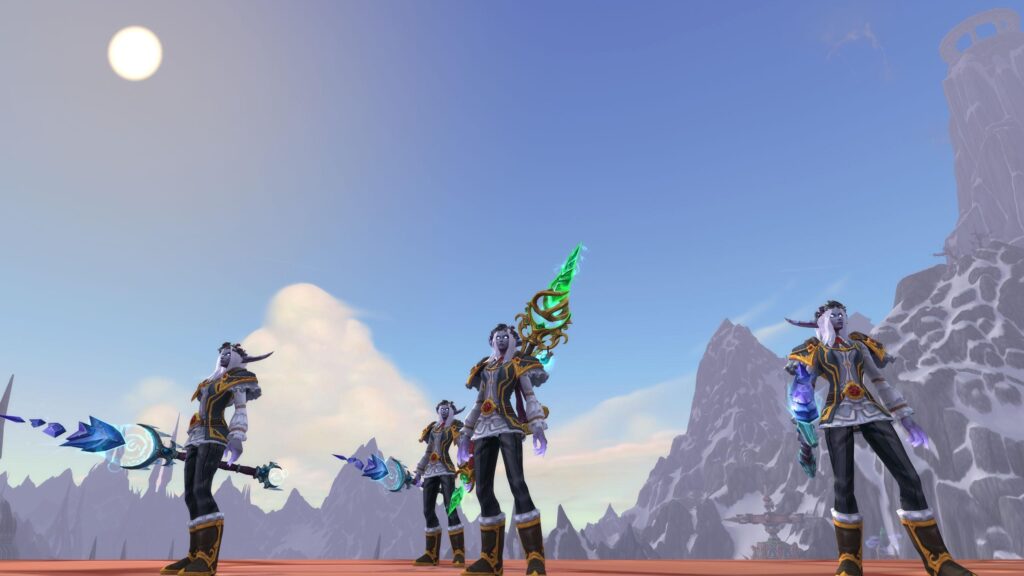
For Fire Mages, wielding Felomelorn with the Stars Design appearance isn’t just about firepower. The charred remains of your enemies will stand testament to your mastery over the flames. Remember, the unique blacksmith in Dalaran can further empower it, so make that encounter a priority.
As a Frost Mage, Ebonchill’s Frostfire Remembrance bridges the gap between ice and flame. Each day, use your Teleportation Nexus for a chance to visit Frostfire Ridge and commune with the spirit of your weapon. This is more than a mere teleportation trick—it’s an opportunity to deepen your bond with Ebonchill.
No matter the path you choose, remember that these weapons aren’t just tools but partners in your magical endeavors. Embrace their quirks, and let them amplify your innate magical prowess.
Conclusion
As you meld ancient wisdom with cutting-edge tactics, your Mage’s power crescendos. Aluneth’s whispers fade into the crackling of unleashed spells; the arcane’s raw pulse and technology’s sharp precision dance in your grasp.
You’ve traversed Azeroth’s secrets and emerged not just a conjurer, but a master of the unseen arsenal. Embrace this duality of old and new, for in your hands lies not just a weapon, but the very essence of the arcane.
Mythic dungeons in World of Warcraft are the pinnacle of group-based PvE content, offering the toughest challenges and the best rewards. These dungeons are designed to test the skill, coordination, and strategy of a group of players, pushing them to their limits. Unlike normal and heroic dungeons, Mythic dungeons feature significantly tougher enemies, more complex mechanics, and a higher item level requirement for entry. In this article, we’ll explore what you need to know about Mythic dungeons, including how to prepare, the mechanics of these challenging dungeons, and how they fit into the larger WoW experience.
Understanding Mythic Dungeon Mechanics
Mythic dungeons are designed to be significantly more difficult than their normal or heroic counterparts. In addition to tougher mobs and bosses, Mythic dungeons introduce more complex mechanics that require precise execution and coordination from your group. These dungeons are designed to test your group’s ability to adapt, overcome obstacles, and think on your feet. Some dungeons even feature affixes, which modify the mechanics of the dungeon to add additional challenges. Affixes can alter the behavior of enemies, increase damage output, or add additional mechanics that force your group to rethink their strategy.
Each Mythic dungeon has a unique set of bosses with their own abilities and mechanics that require careful attention. Some bosses may summon adds (additional enemies) during the fight, while others may use deadly area-of-effect abilities that require players to move quickly. Communication is essential in Mythic dungeons, as players must work together to avoid these dangerous mechanics and ensure that everyone stays alive. Whether it’s interrupting spells, managing crowd control, or handling positioning, Mythic dungeons will push your group to its limits and reward you for your mastery of the game’s mechanics.
Preparing for Mythic Dungeons
Before diving into Mythic dungeons, preparation is key. First and foremost, your group should have the necessary item level to succeed in these dungeons. Mythic dungeons typically require a higher item level than heroic content, so ensure that your gear is up to par. You’ll also want to make sure that your group is balanced, with the necessary roles covered. A typical Mythic dungeon group consists of a tank, a healer, and three DPS players. Having a balanced composition is essential for success, as each role has its own unique responsibilities in the dungeon.
In addition to gear and group composition, it’s important to come prepared with consumables. Potions, food buffs, and flasks can all give your group a significant edge in a Mythic dungeon. Healing potions are particularly useful for recovering during tough fights, while damage-boosting potions can help you push through difficult encounters. Make sure to bring a sufficient supply of these items to avoid running out mid-dungeon. Finally, it’s important to have an understanding of the dungeon mechanics before you enter. Watching guides or discussing strategies with your group beforehand can make all the difference, as it ensures everyone is on the same page and prepared for the challenges ahead.
Rewards and Progression in Mythic Dungeons
Mythic dungeons offer some of the best rewards in WoW, including high-level gear, rare items, and other valuable loot. Completing a Mythic dungeon can reward your group with items that significantly improve your overall item level. Additionally, completing Mythic dungeons can also contribute to your progress toward earning higher-level loot from the weekly Mythic+ chest, which is available after completing a Mythic dungeon within a certain time limit.
Mythic+ dungeons also introduce a level of progression that is not present in normal or heroic dungeons. As you complete dungeons, you’ll be able to increase the difficulty through Mythic+ keys. These keys modify the dungeon’s affixes and difficulty, allowing you to push the limits of your group’s abilities. Each higher level of Mythic+ dungeon offers better rewards, making it a popular choice for players who want to maximize their loot potential. The Mythic+ system provides a competitive element to dungeon running, as guilds and players strive to complete dungeons at higher difficulty levels within time limits.Conclusion
Mythic dungeons are one of the most challenging and rewarding experiences in World of Warcraft. These dungeons test your group’s ability to coordinate, adapt, and execute strategies under pressure. With the right preparation, gear, and communication, you and your group can conquer these challenging dungeons and earn some of the best rewards in the game. Whether you’re aiming to complete Mythic+ dungeons for higher-level loot or simply enjoy the thrill of tackling the game’s most difficult content, Mythic dungeons provide an exhilarating challenge for all players.
Mythic Dungeon Rewards Overview
Reward
Details
Importance
High-Level Gear
Loot from bosses with a higher item level
High
Mythic+ Keys
Used to increase dungeon difficulty for better loot
High
Weekly Chest
Loot rewards based on completing dungeons within time limits